
Sorghum: 2025 planting season (May - September)
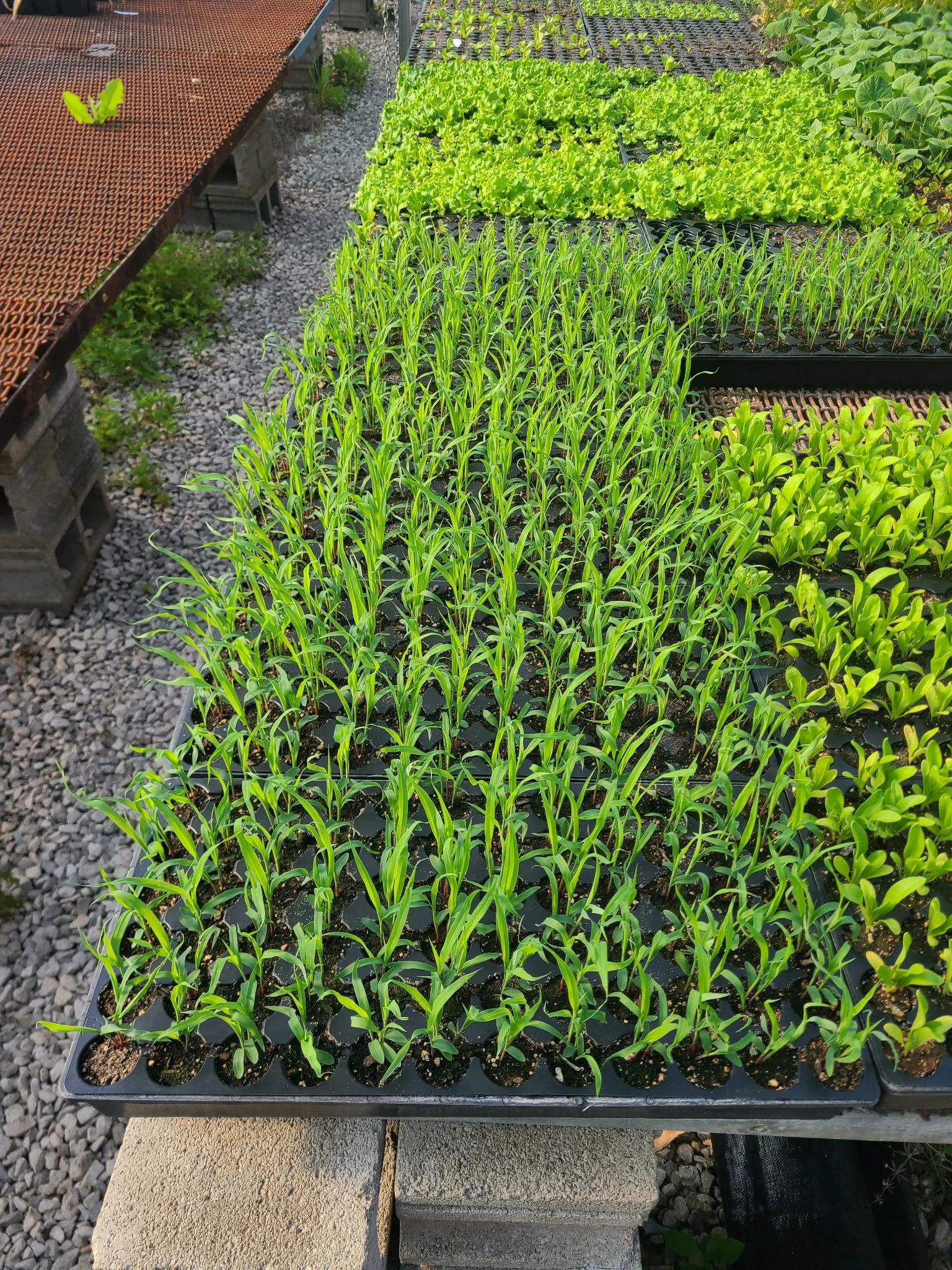
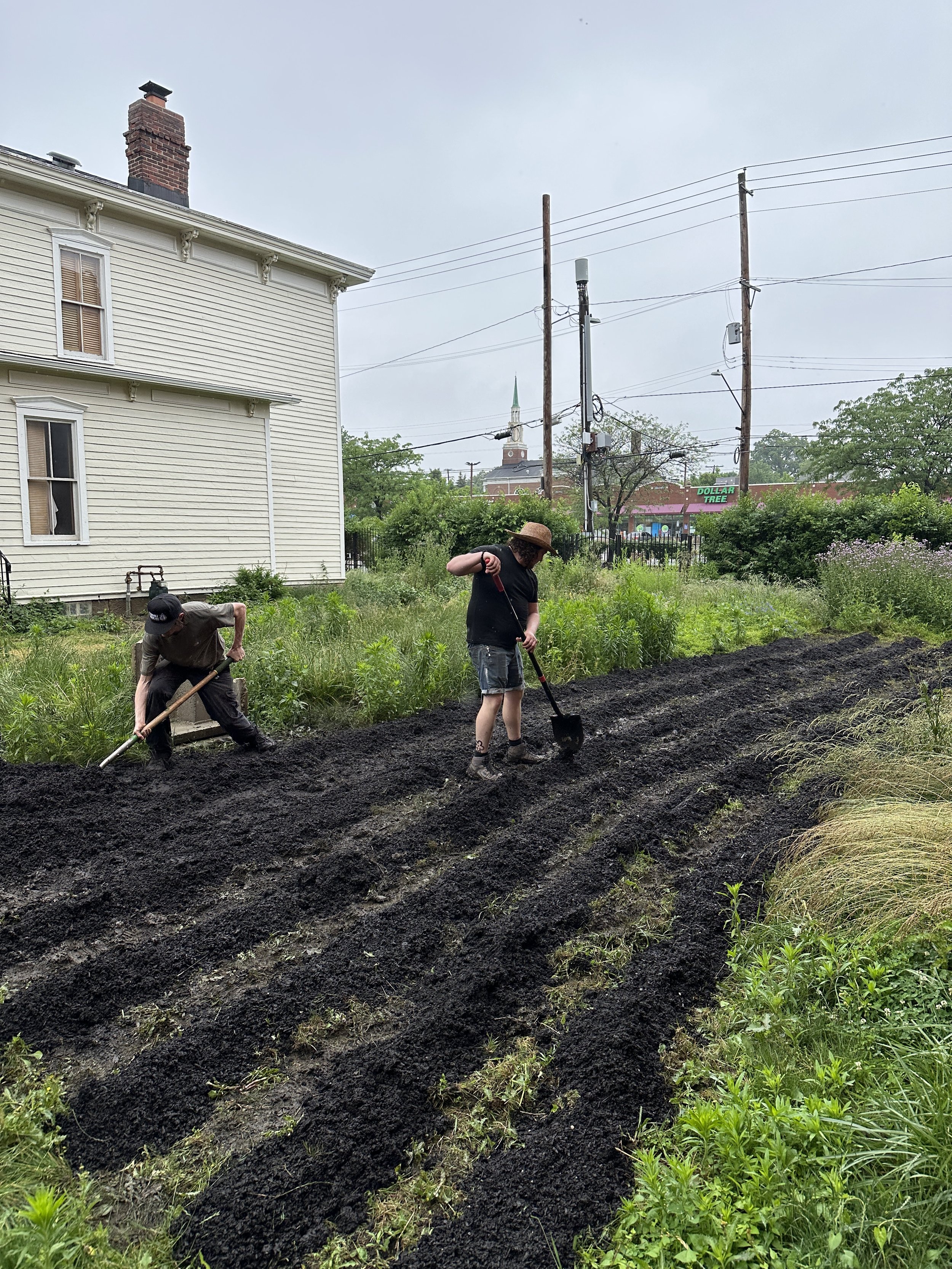
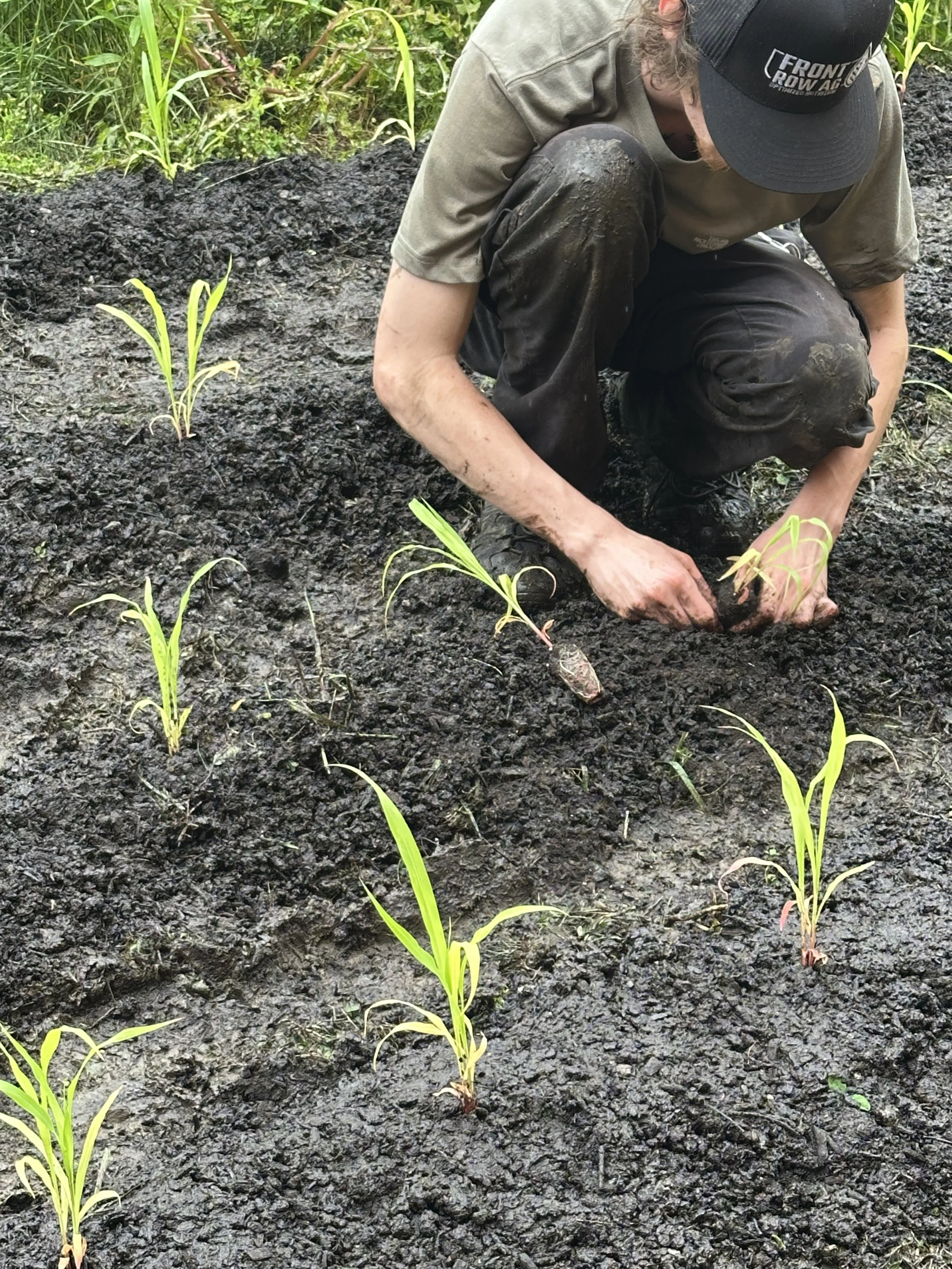
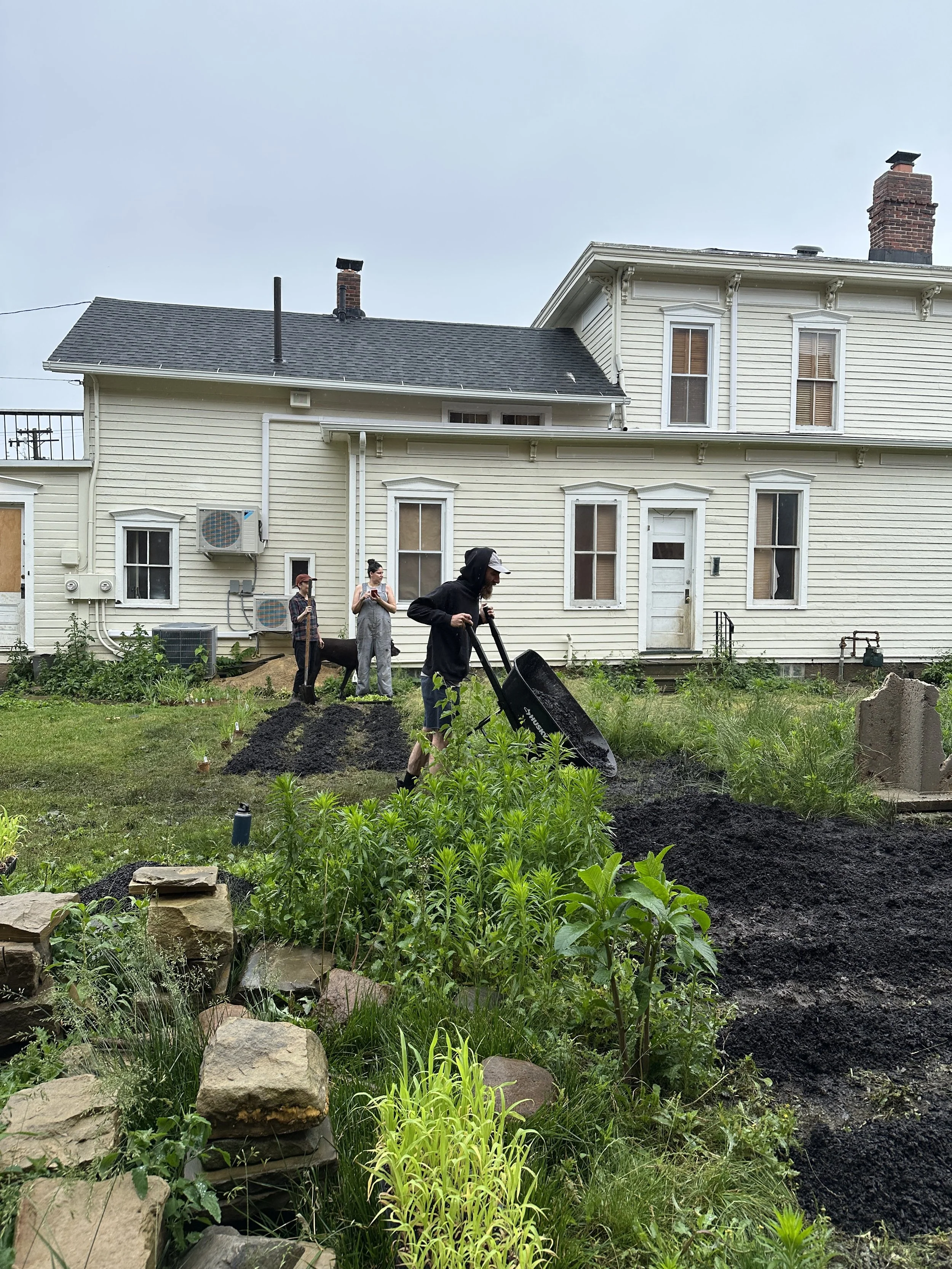
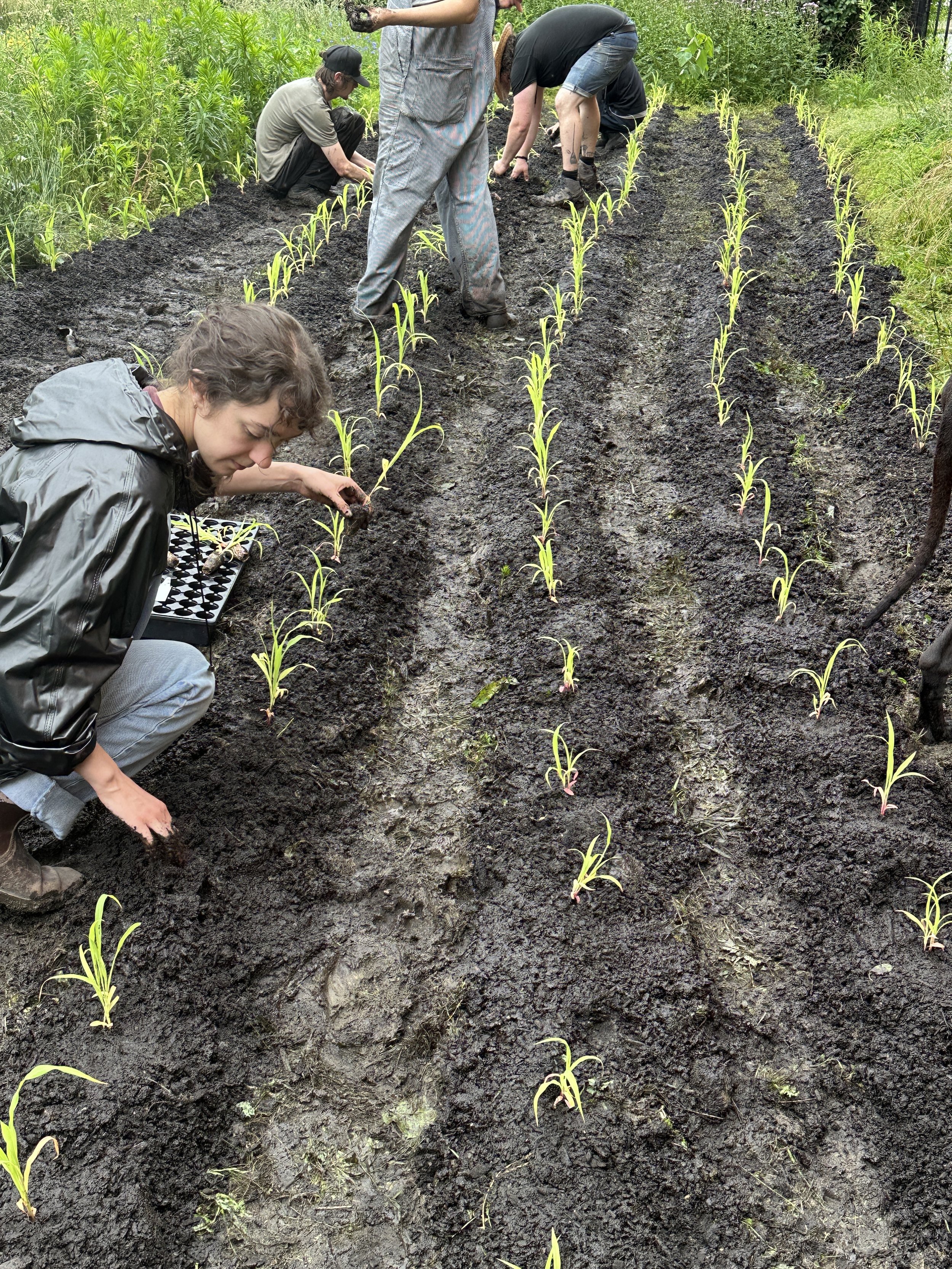
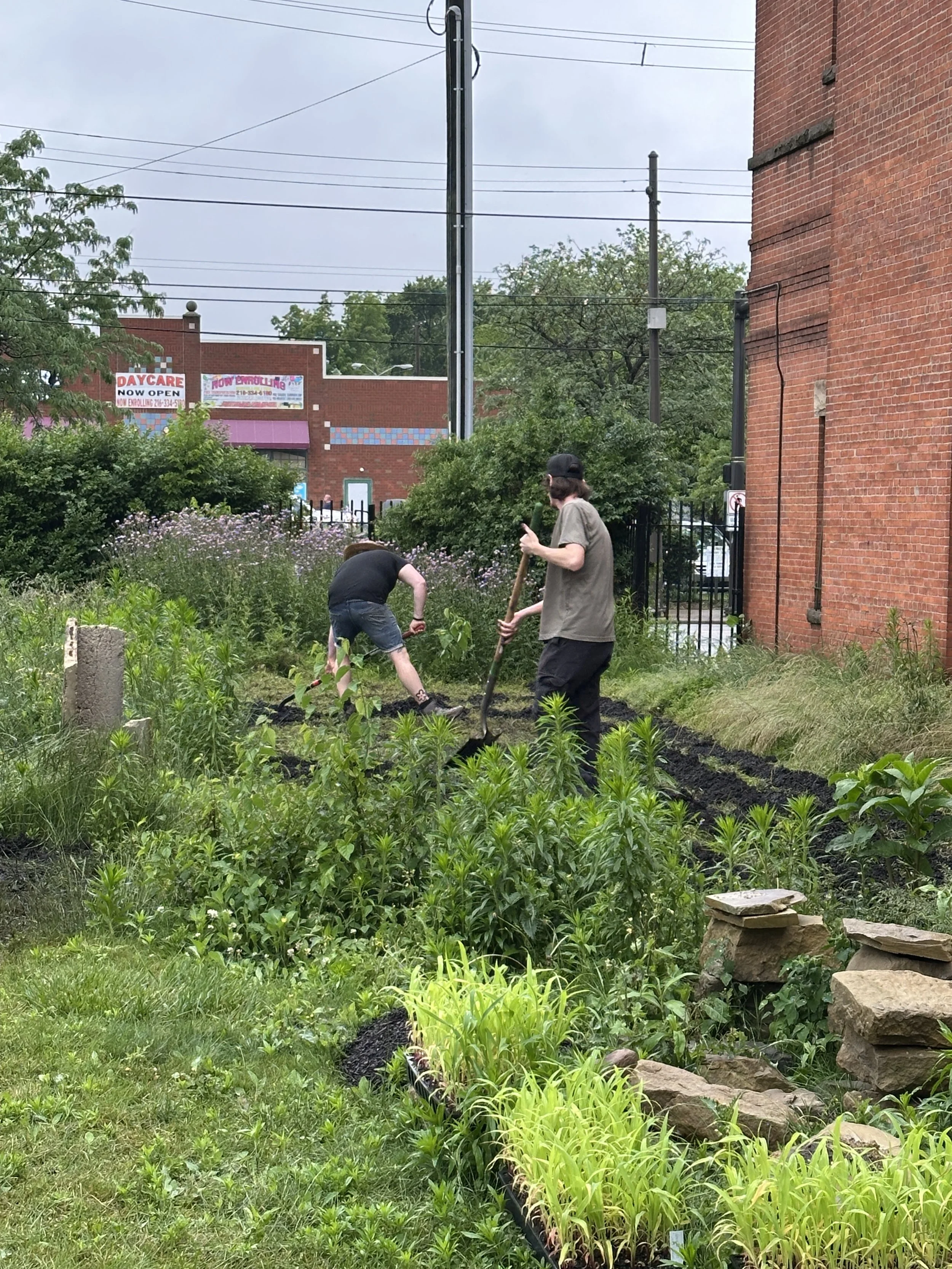
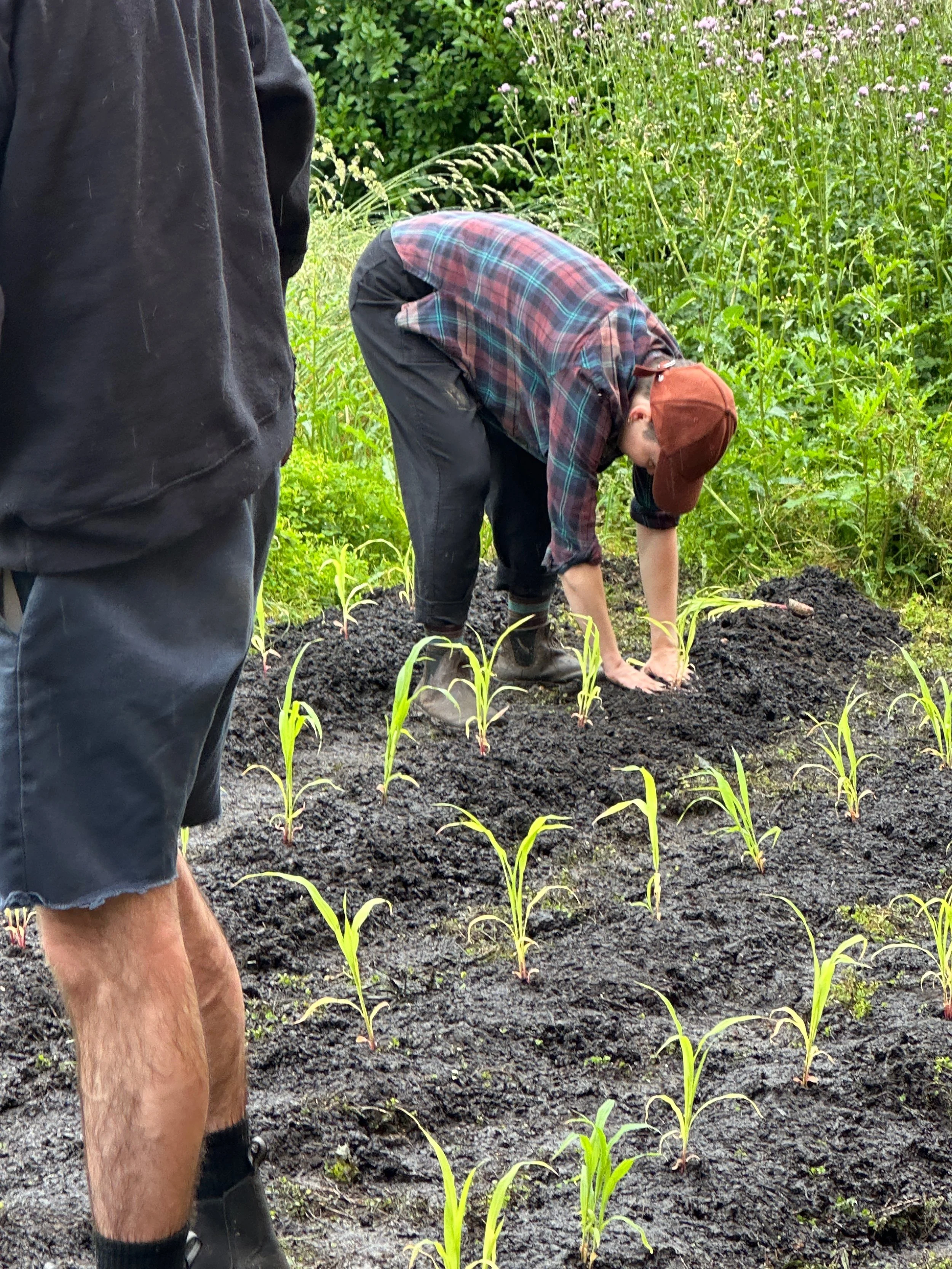
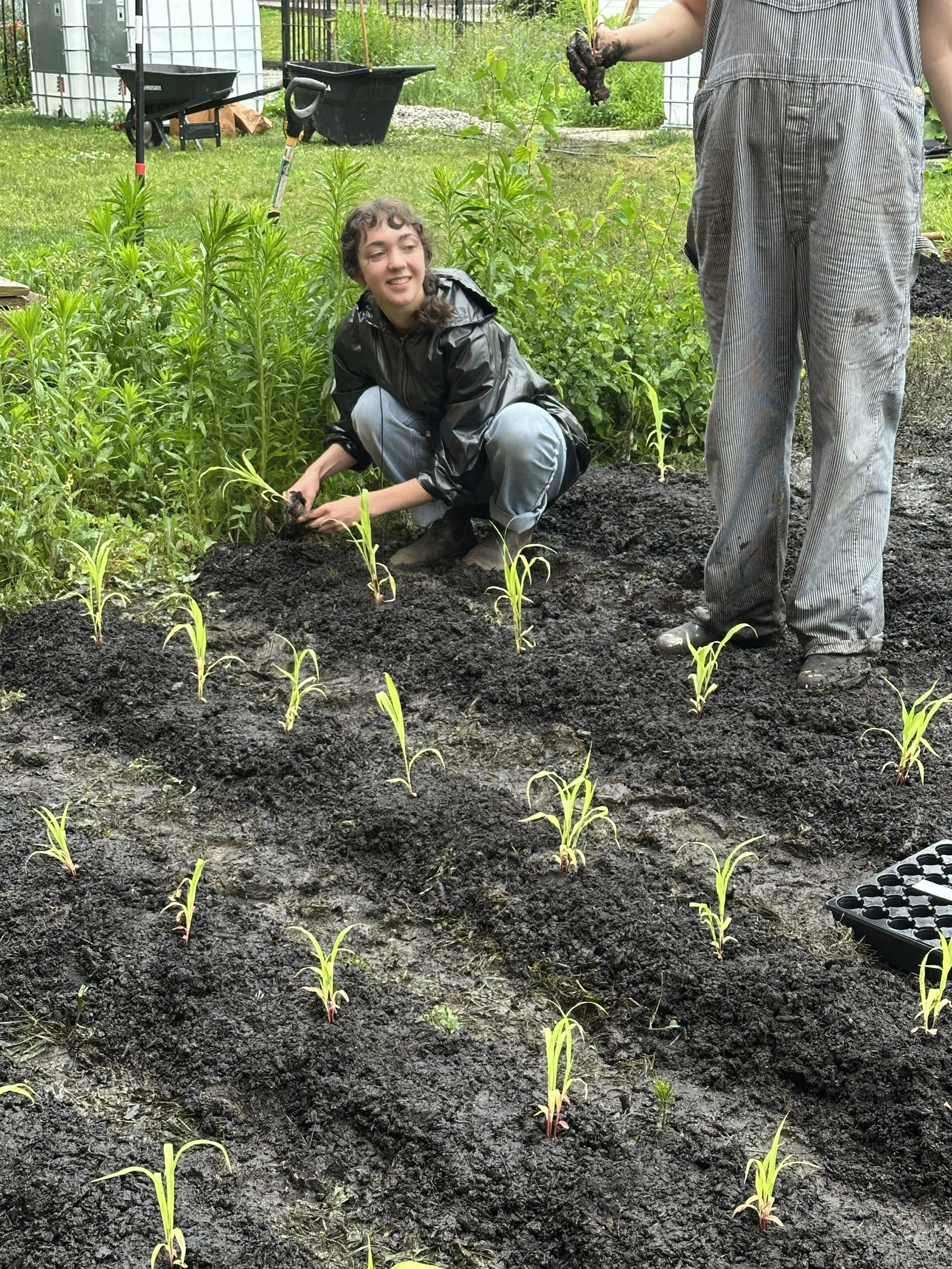
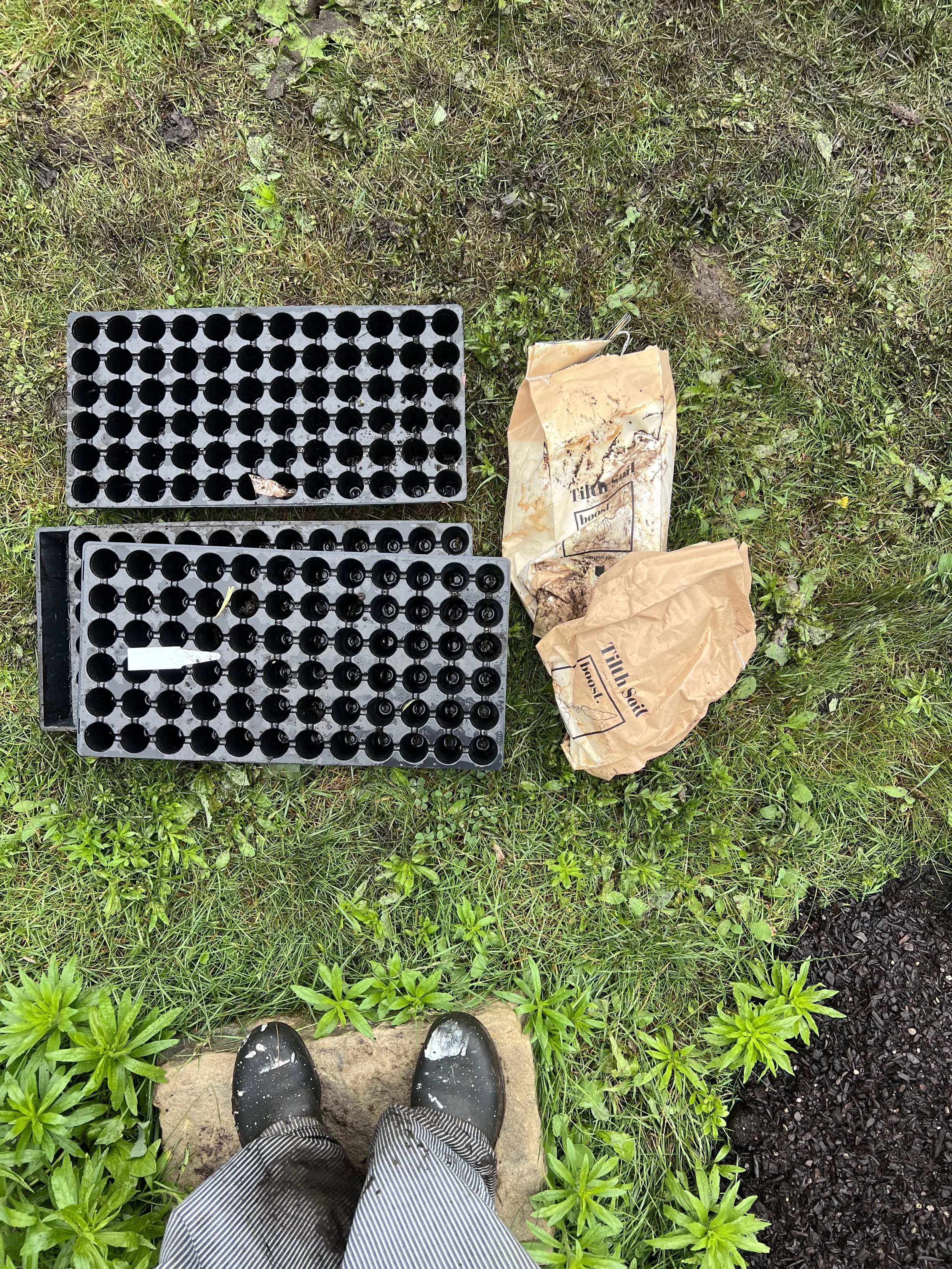
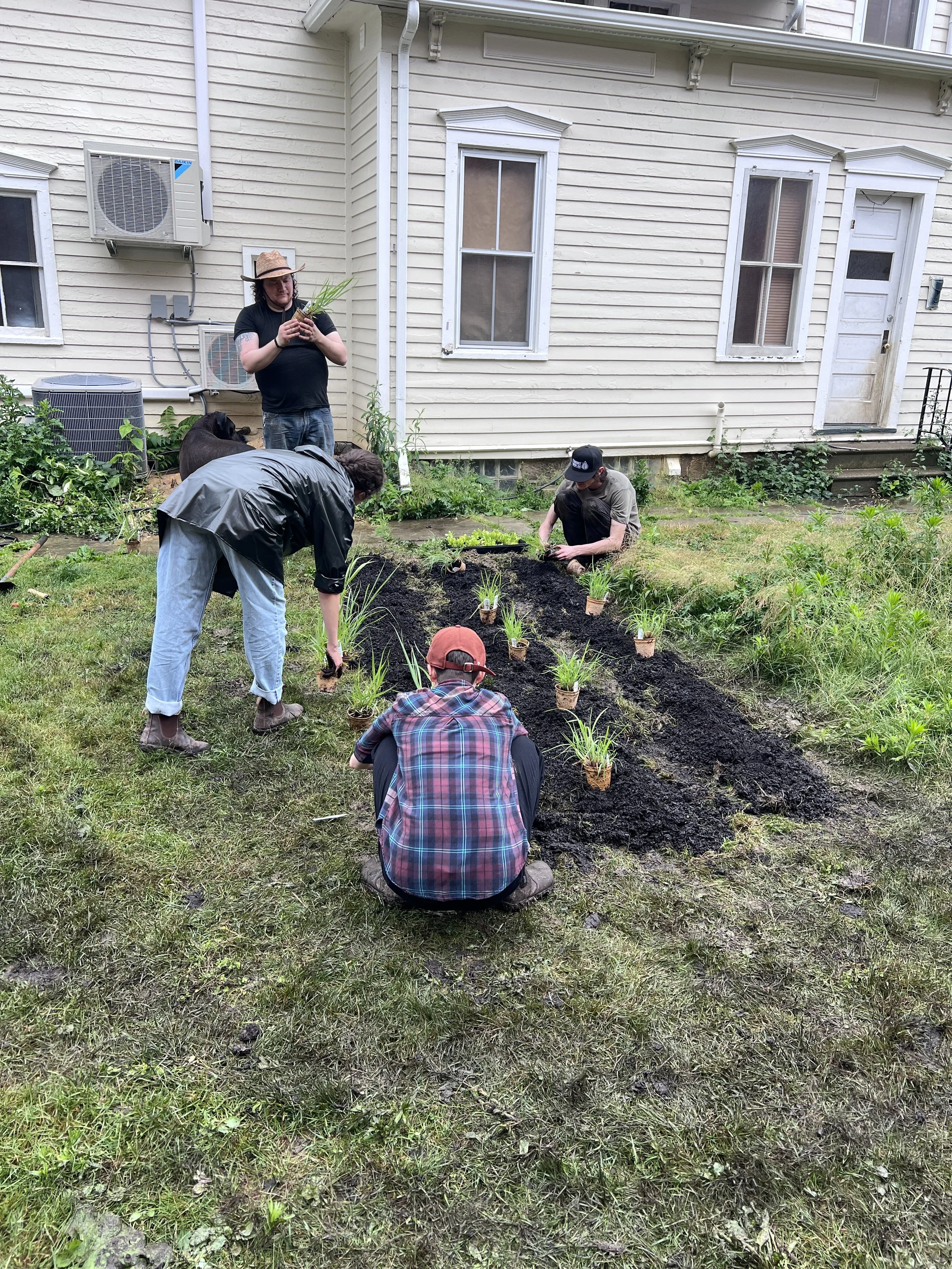
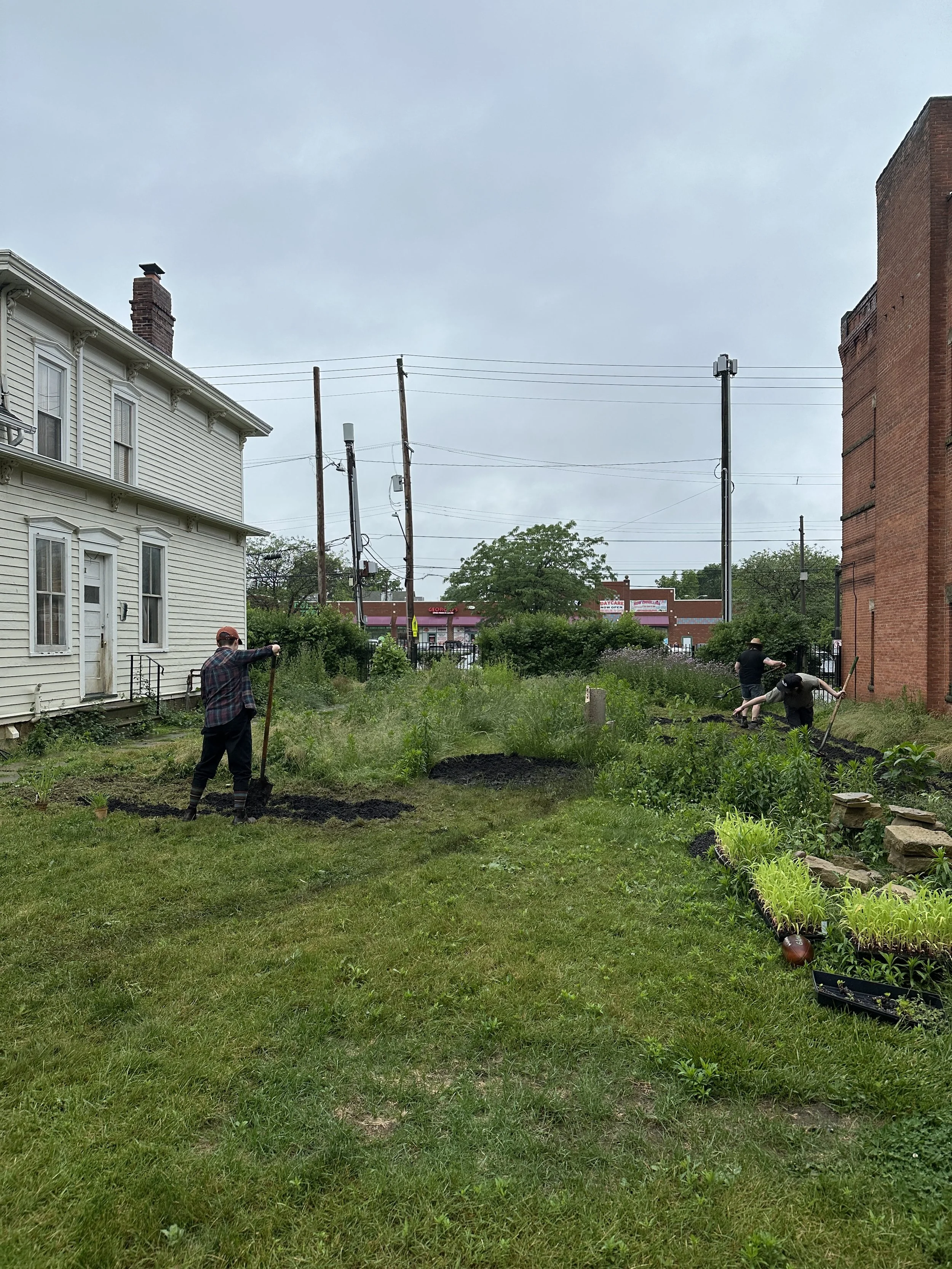
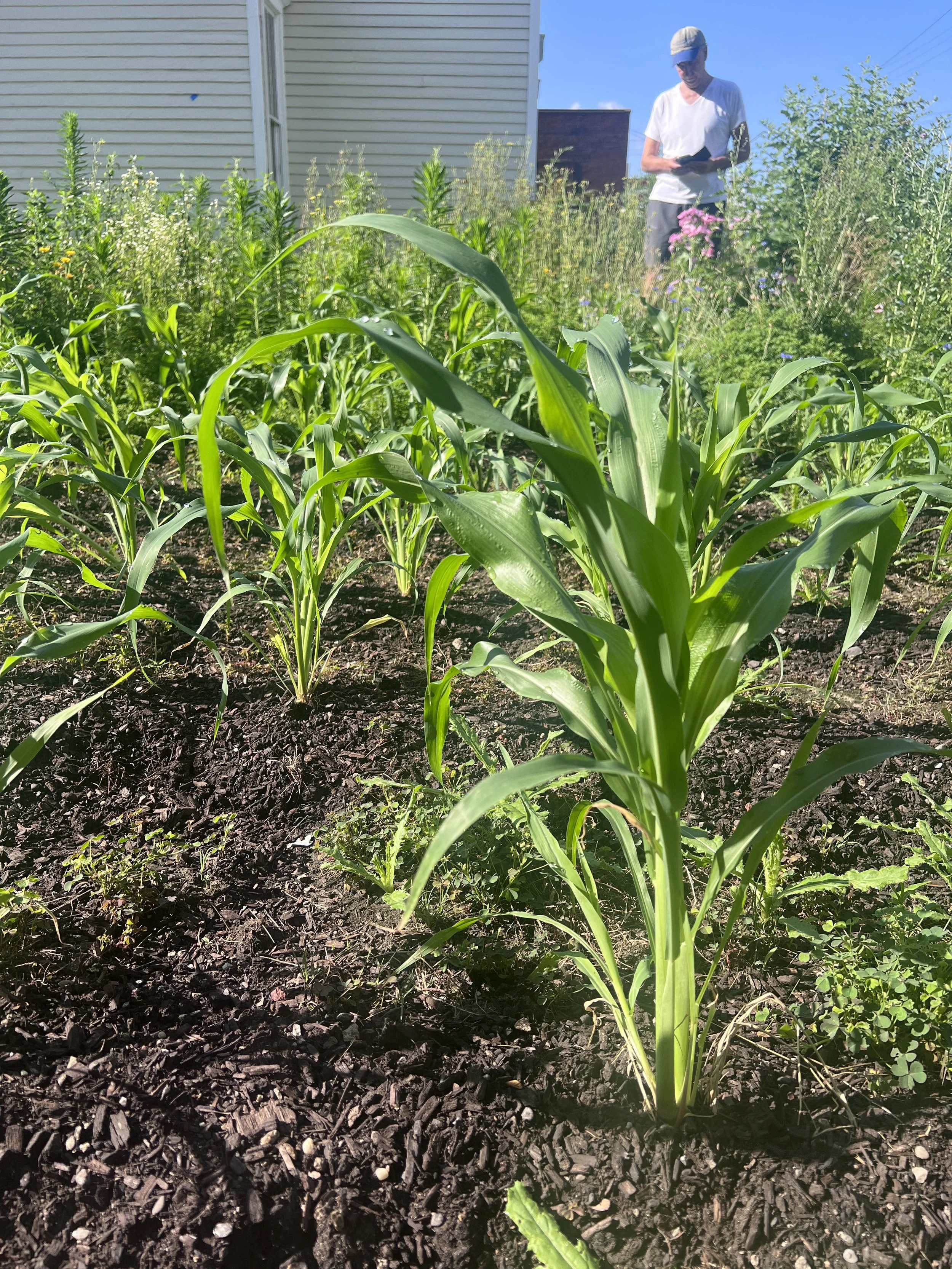
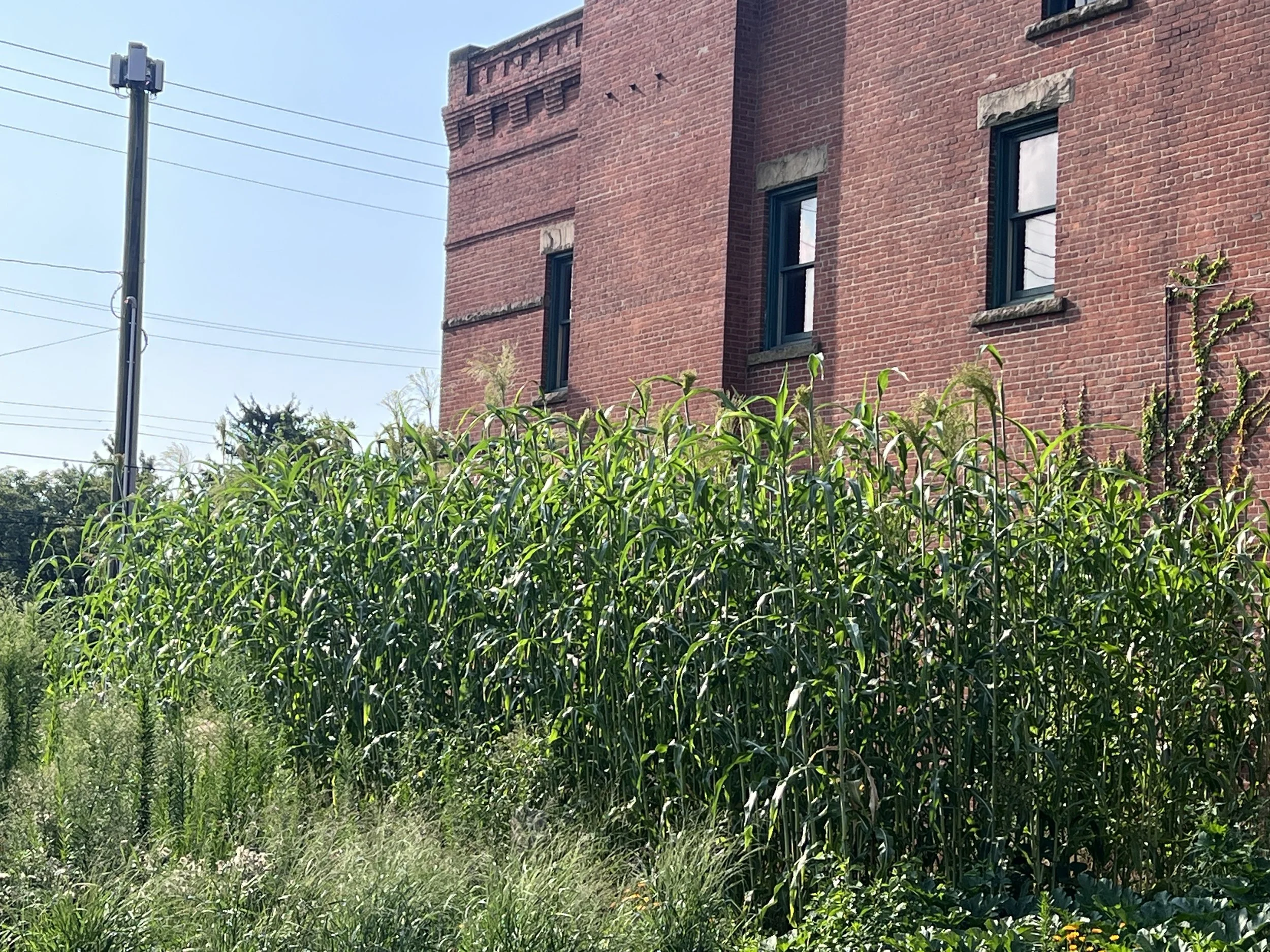
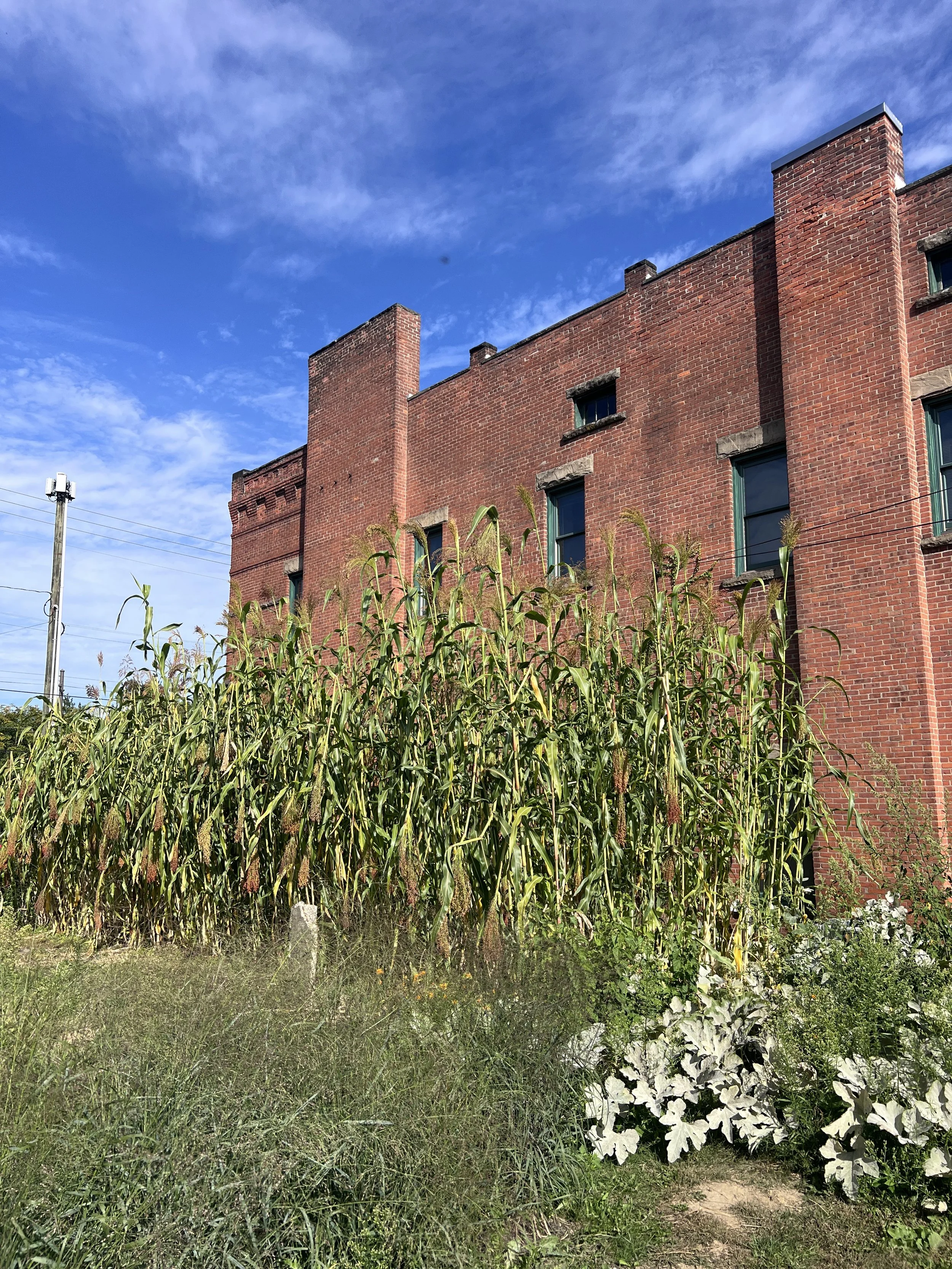
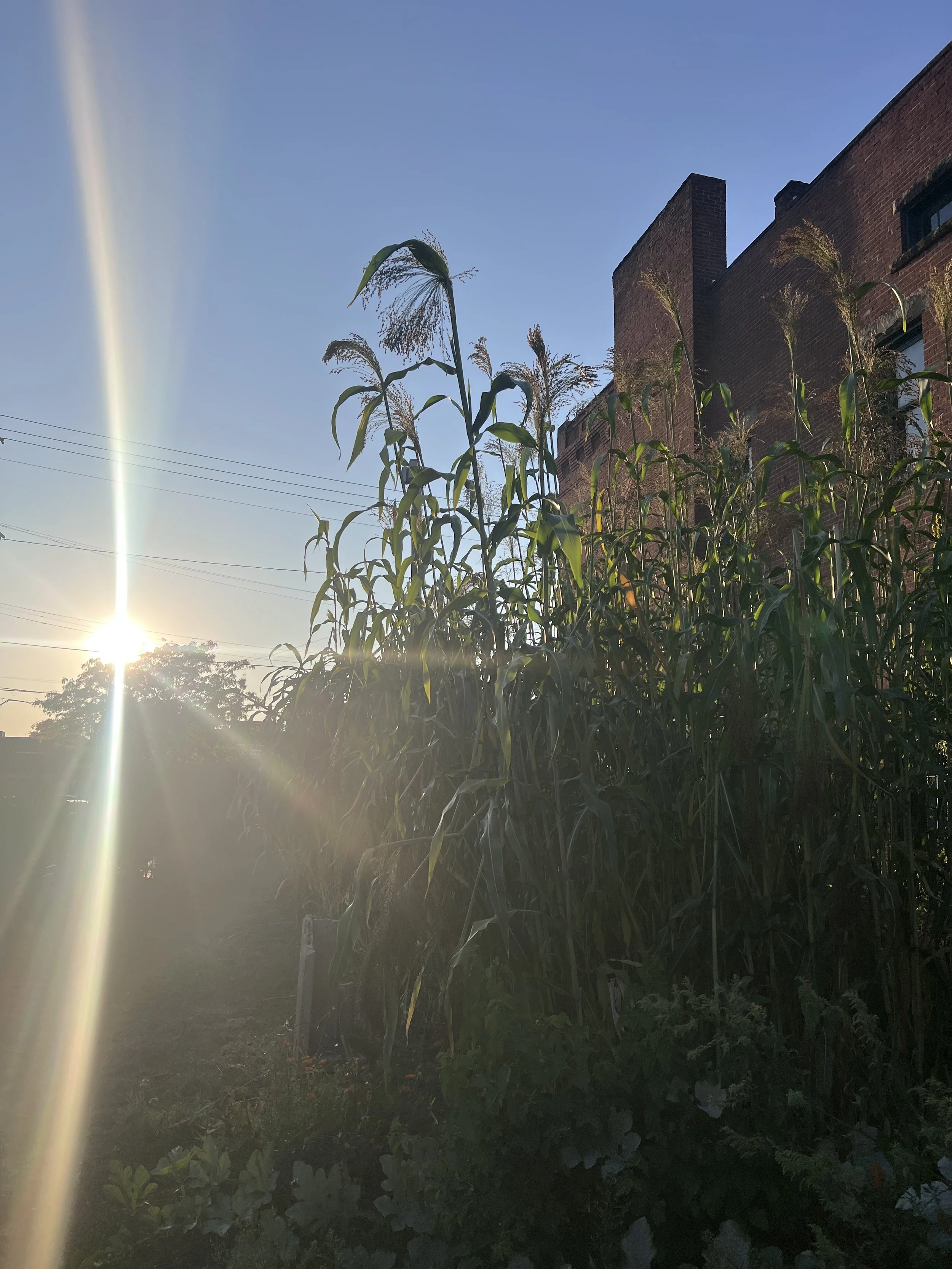
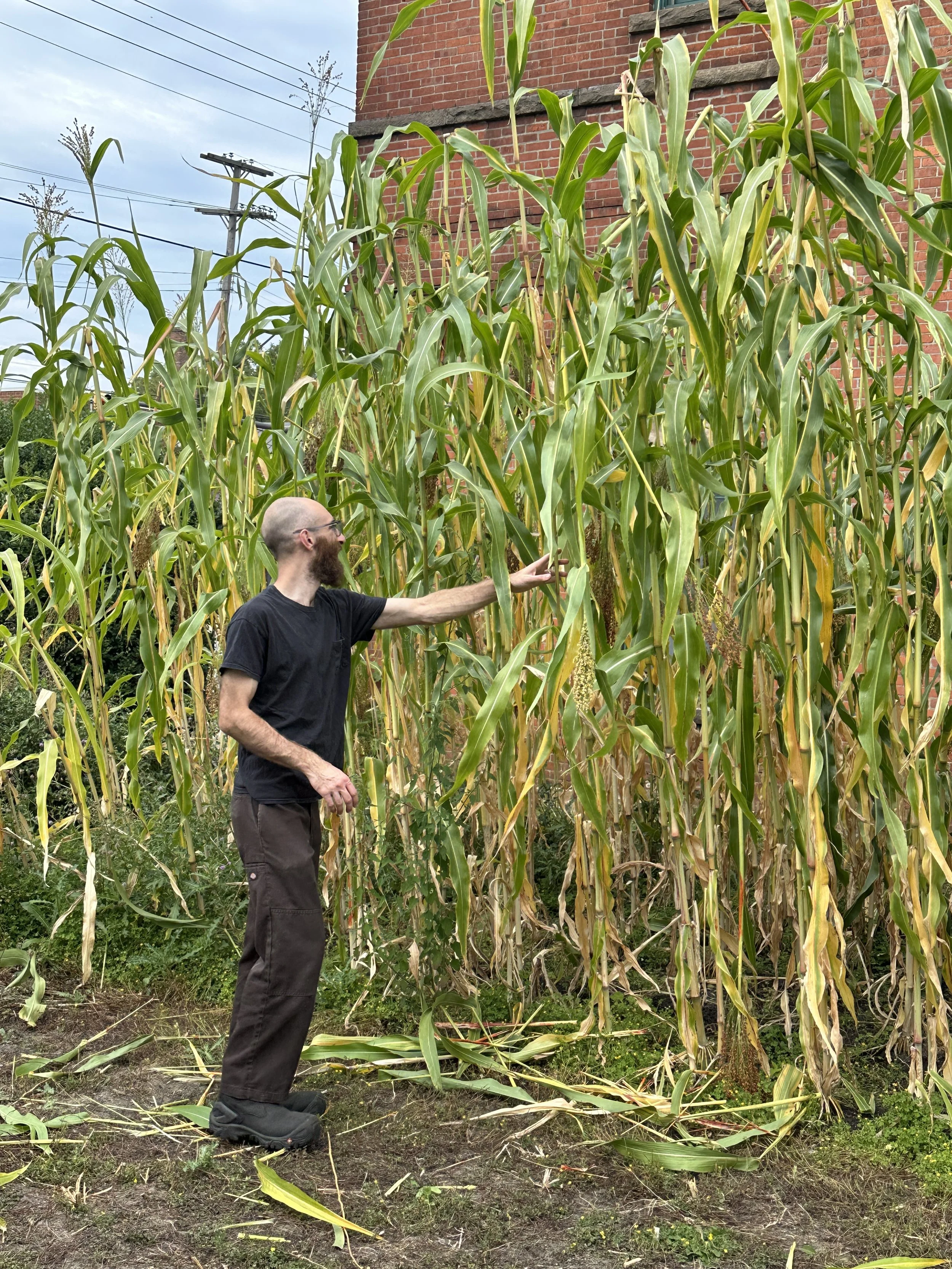
As part of our ongoing investigation into material, process, and place, we cultivated sorghum (broomcorn) on the property in preparation for The Broommaker, a residency with artist Hunter Elliott. Rather than arriving with ready-made materials, the project unfolded from the ground up, inviting the community to witness and participate in the full life cycle of a living material.
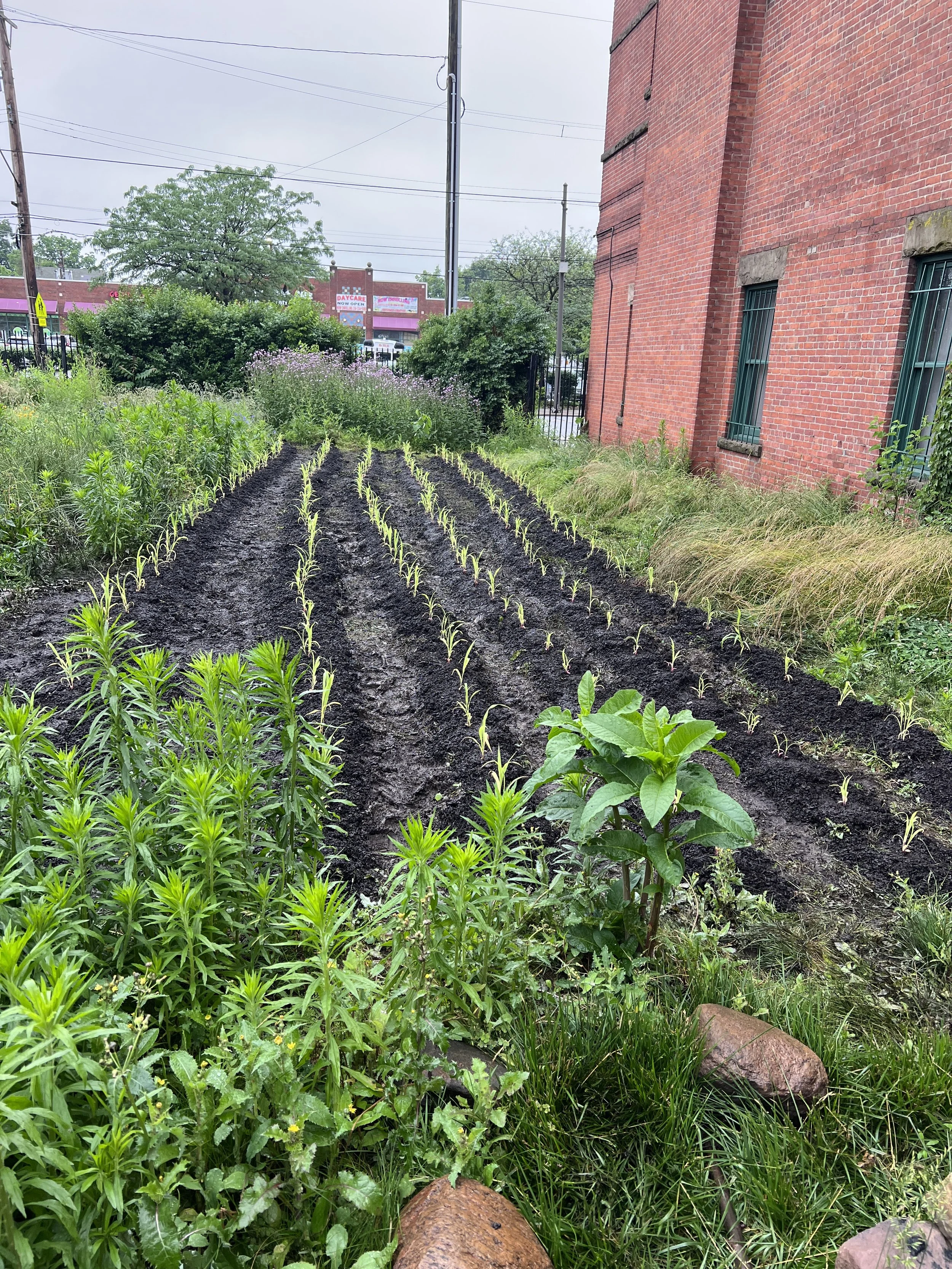
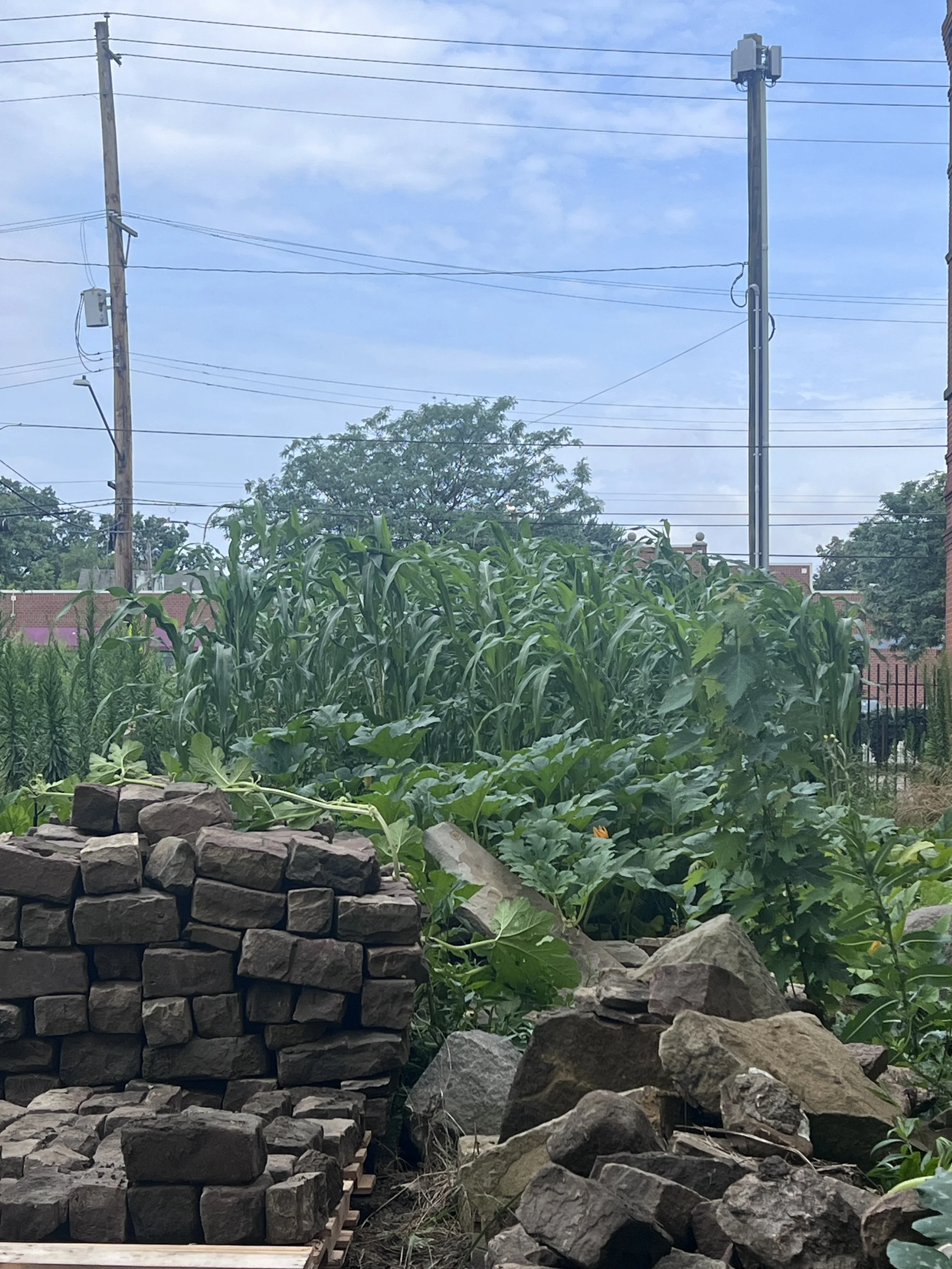
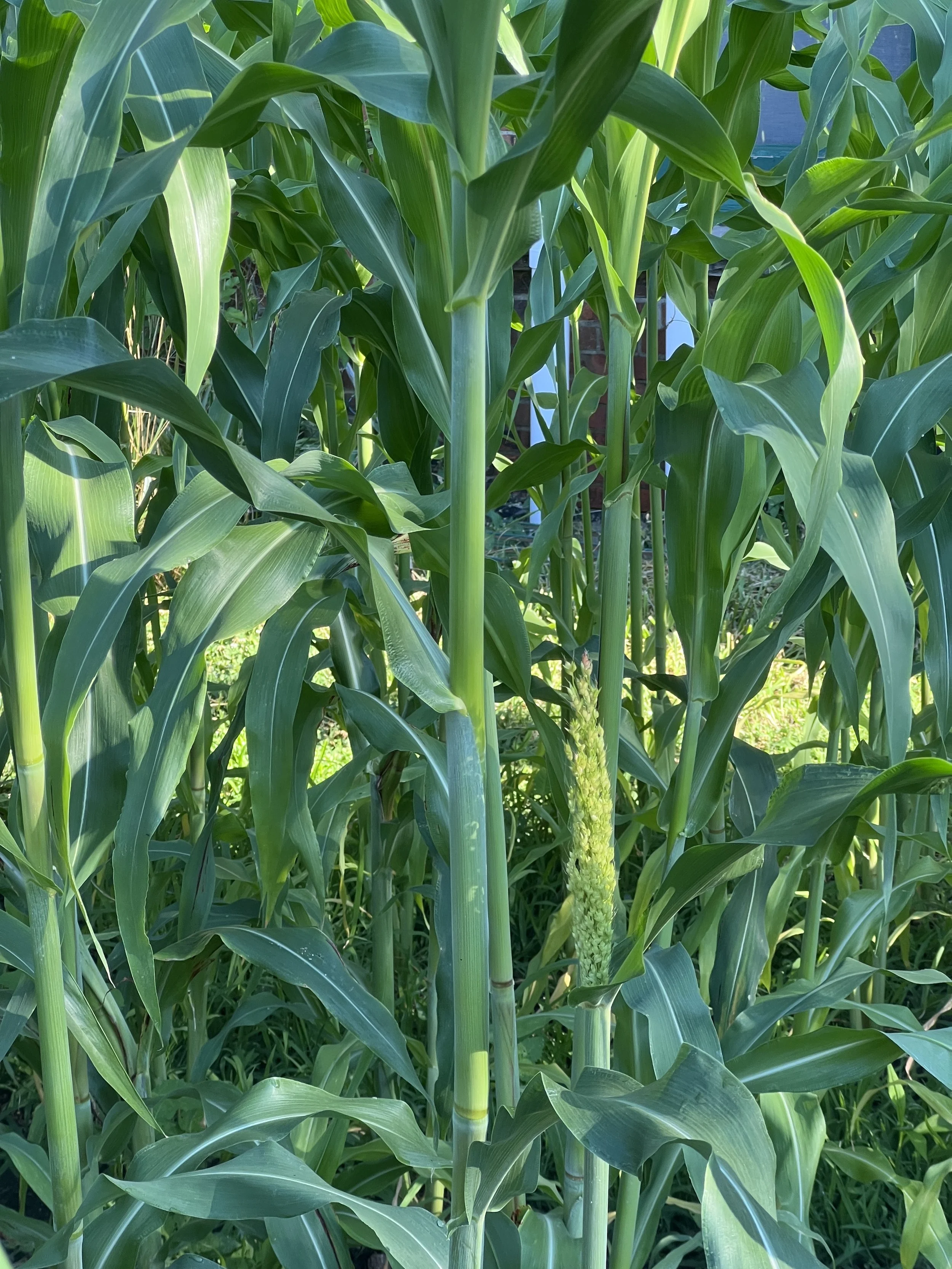
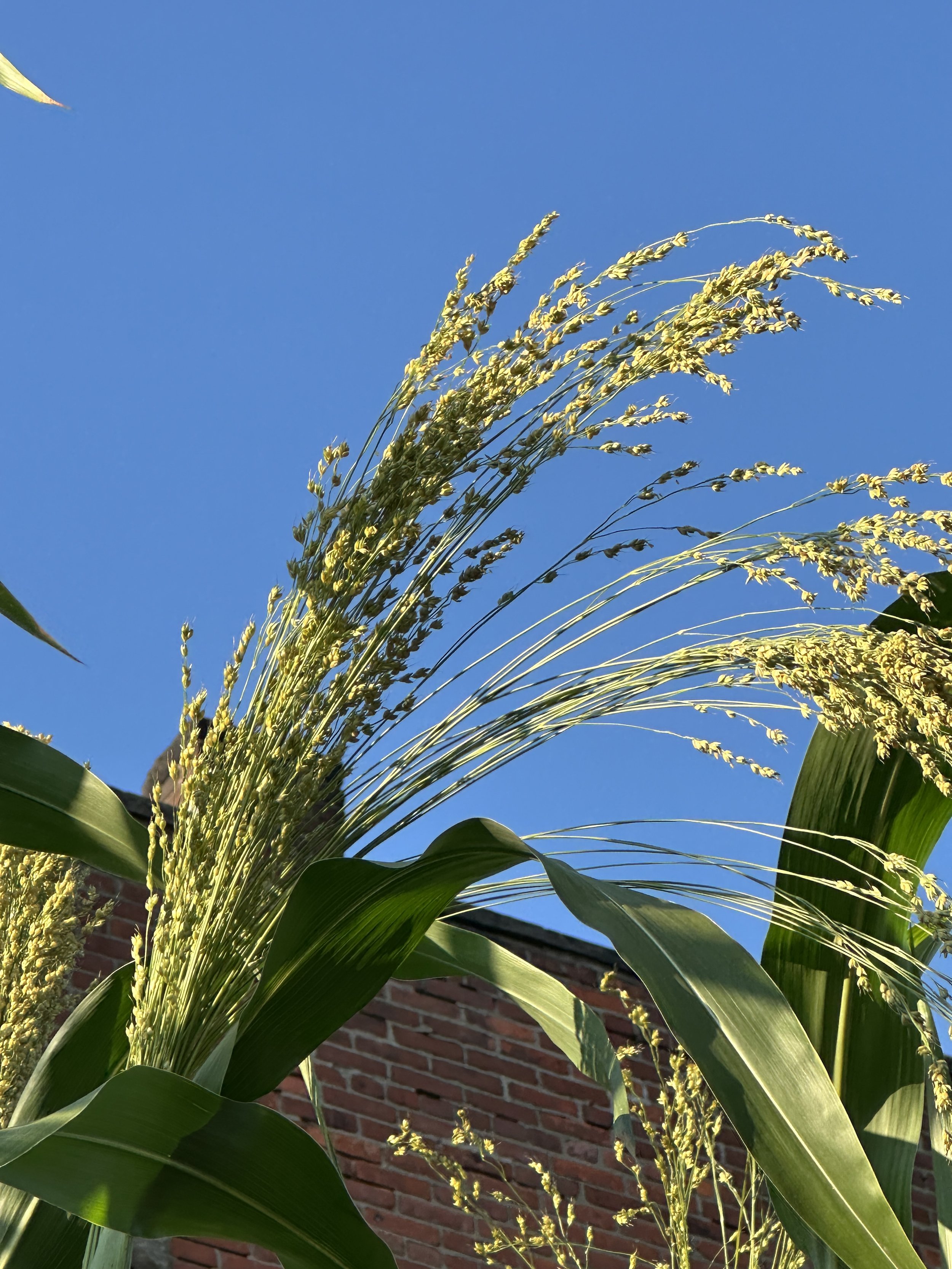
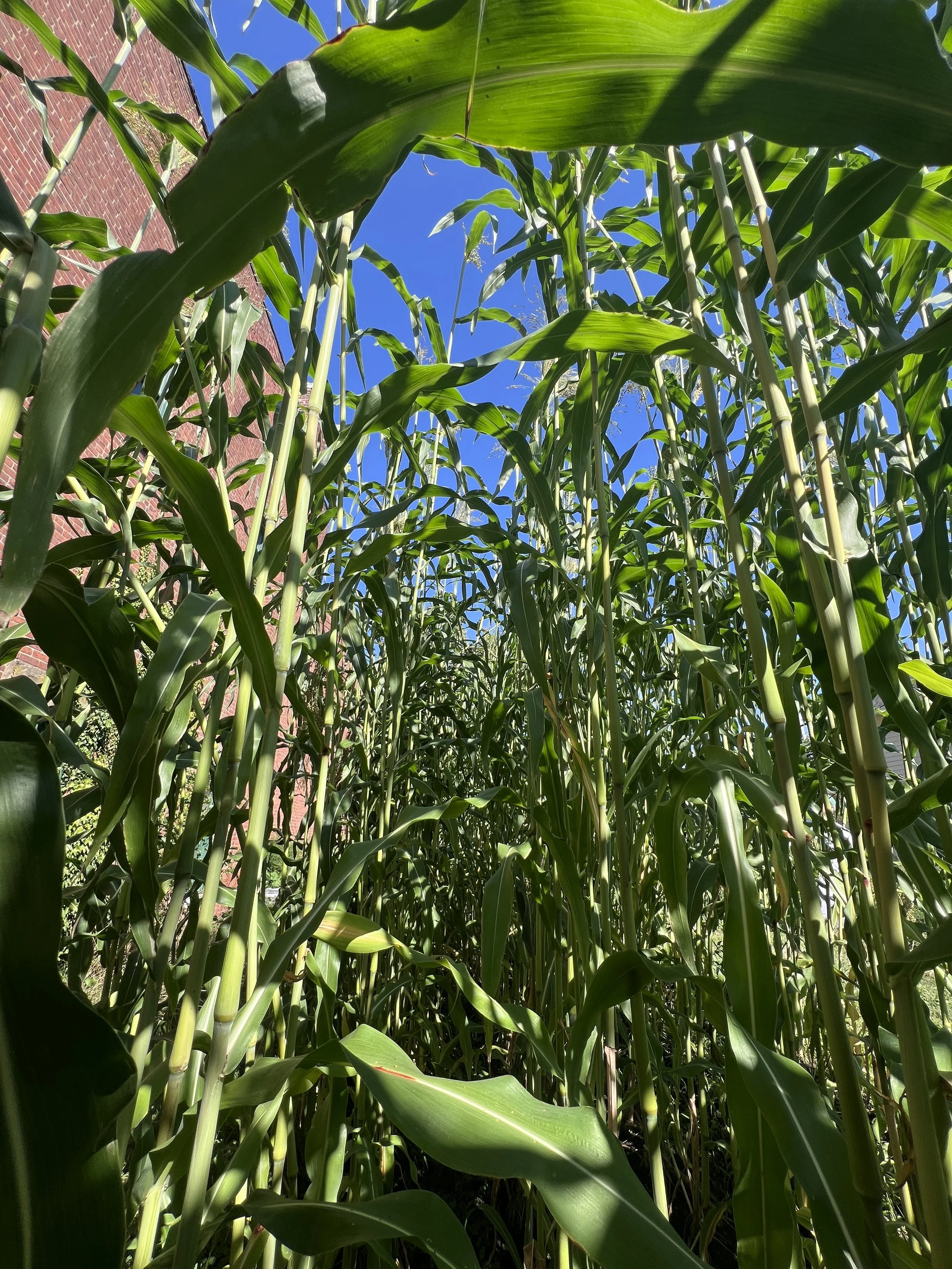
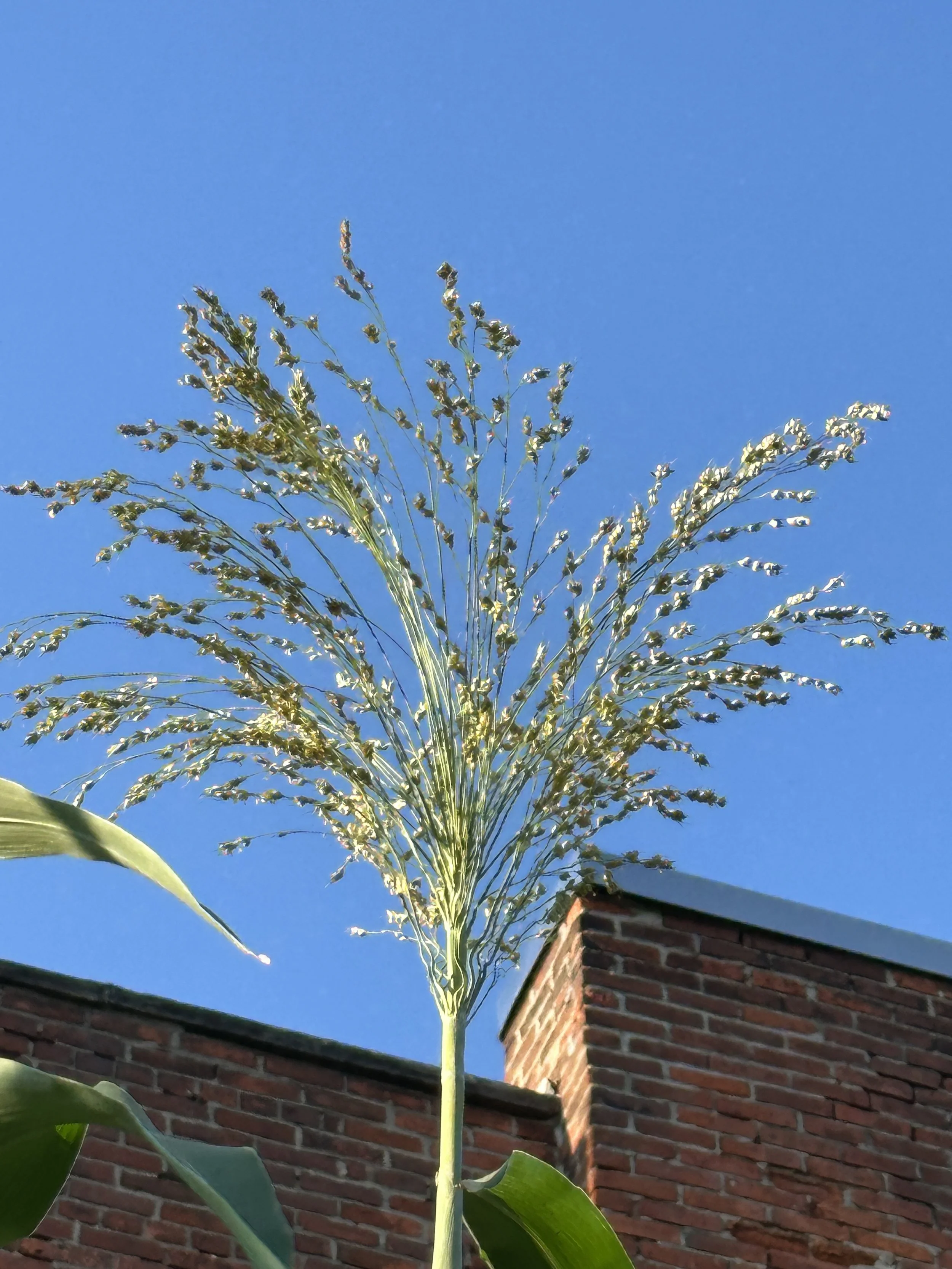
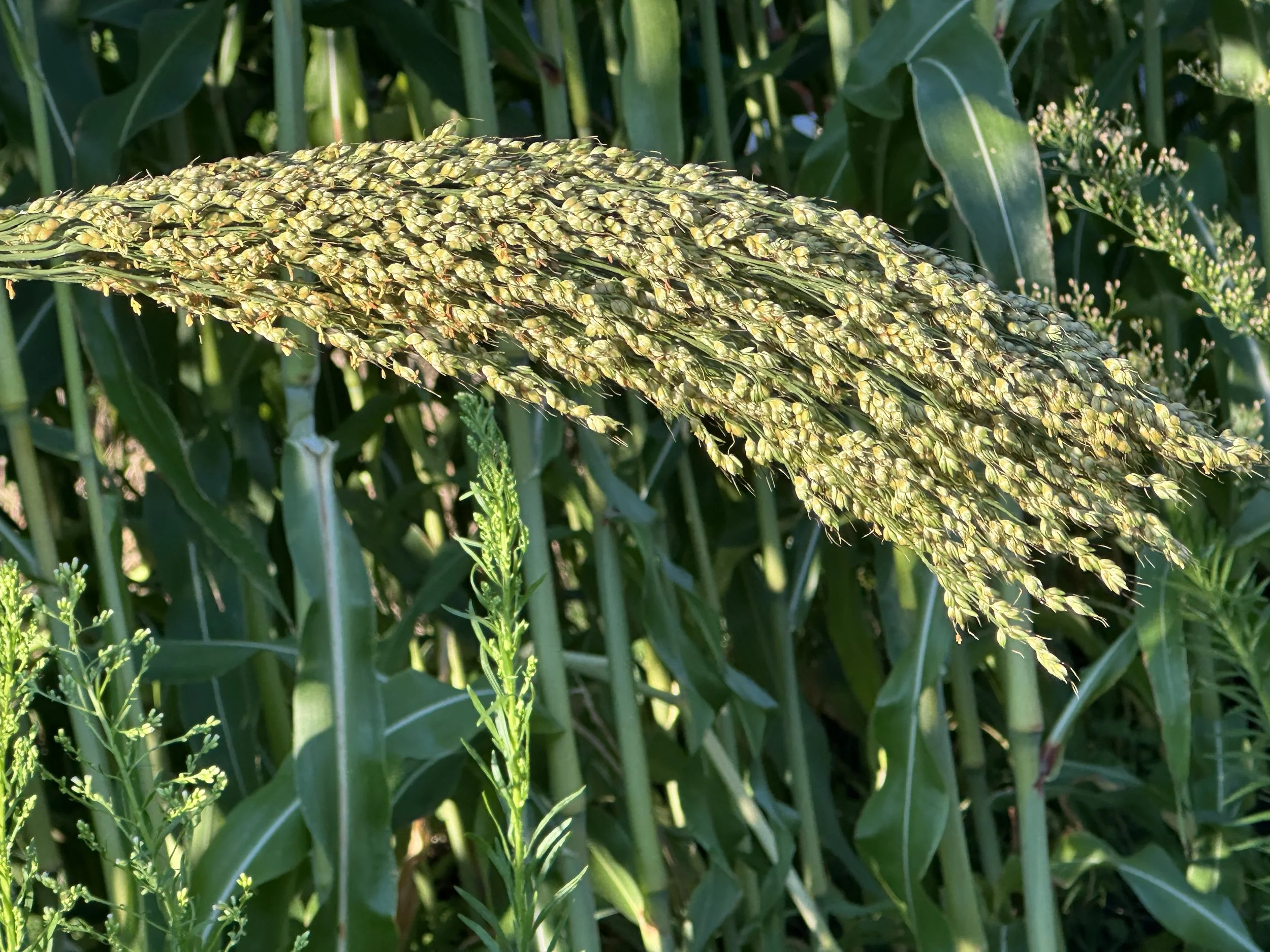
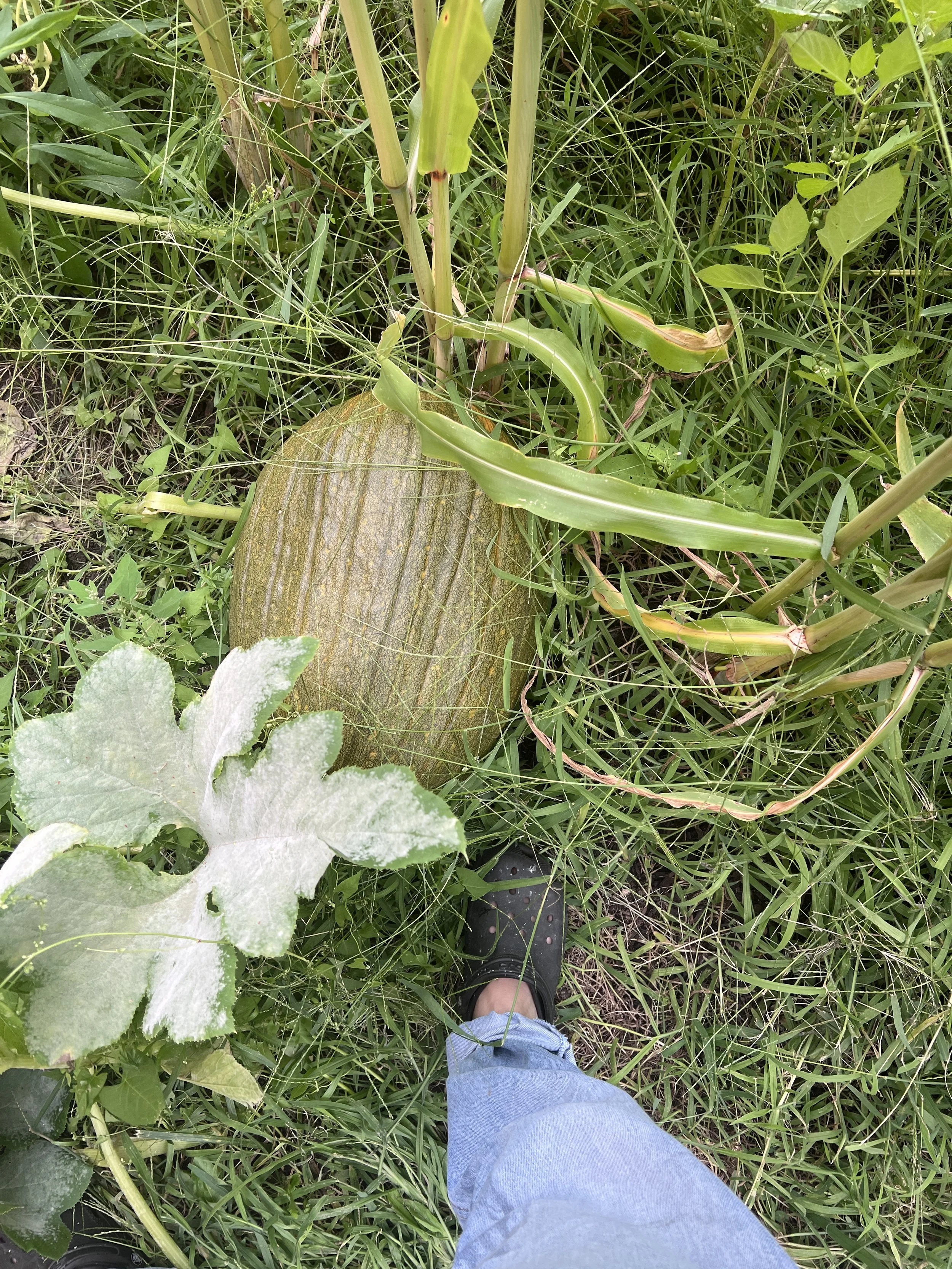
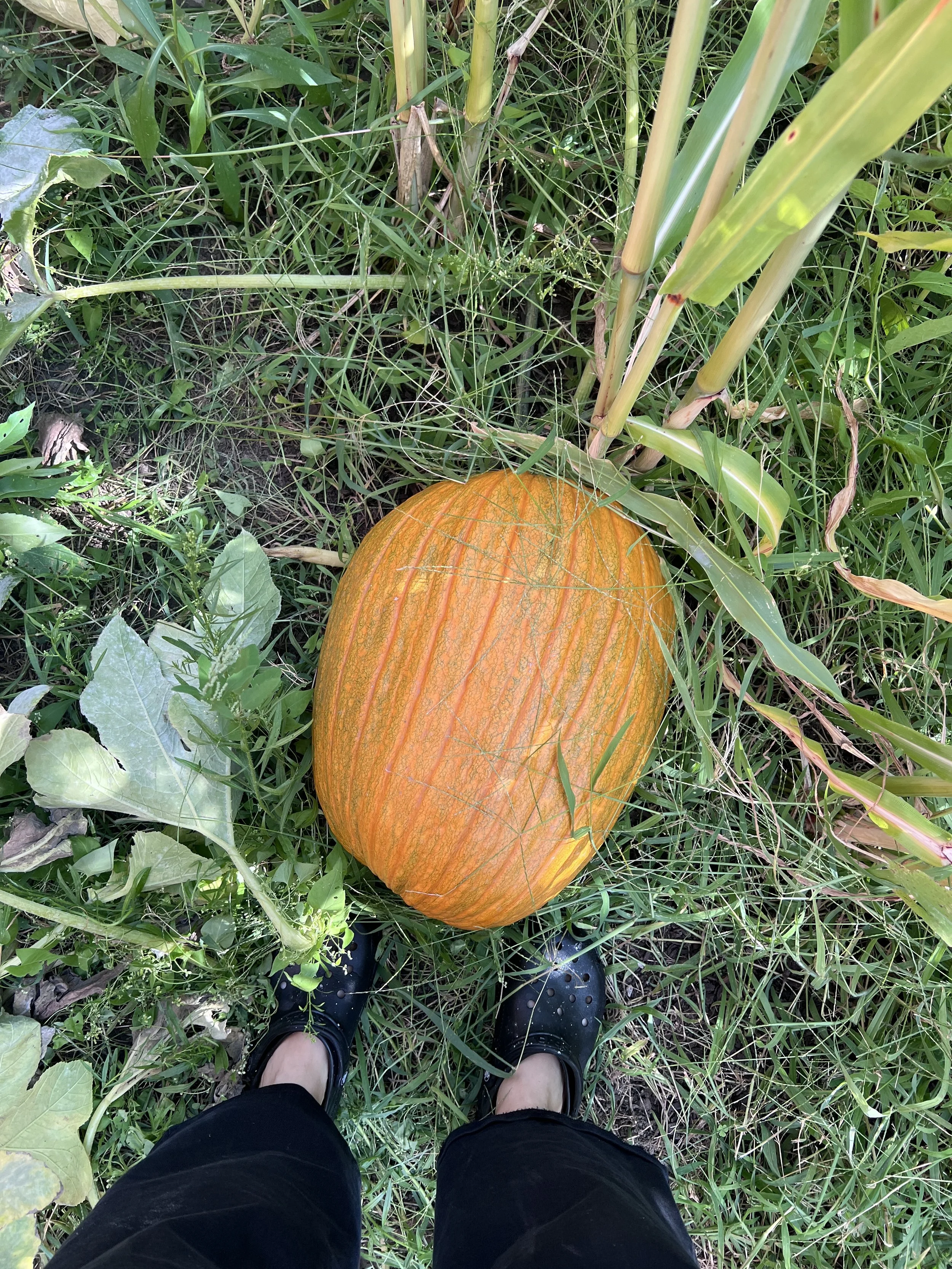
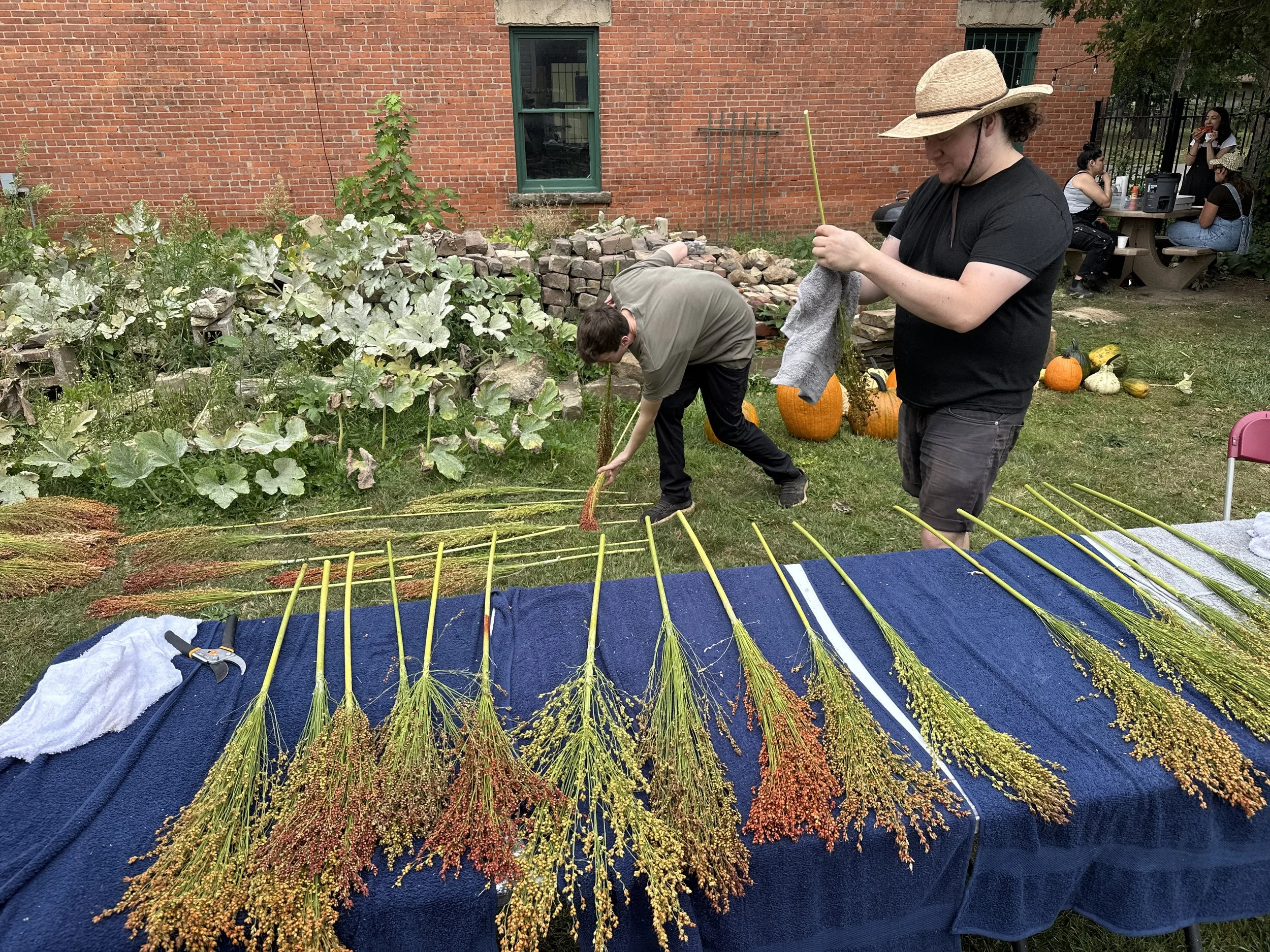
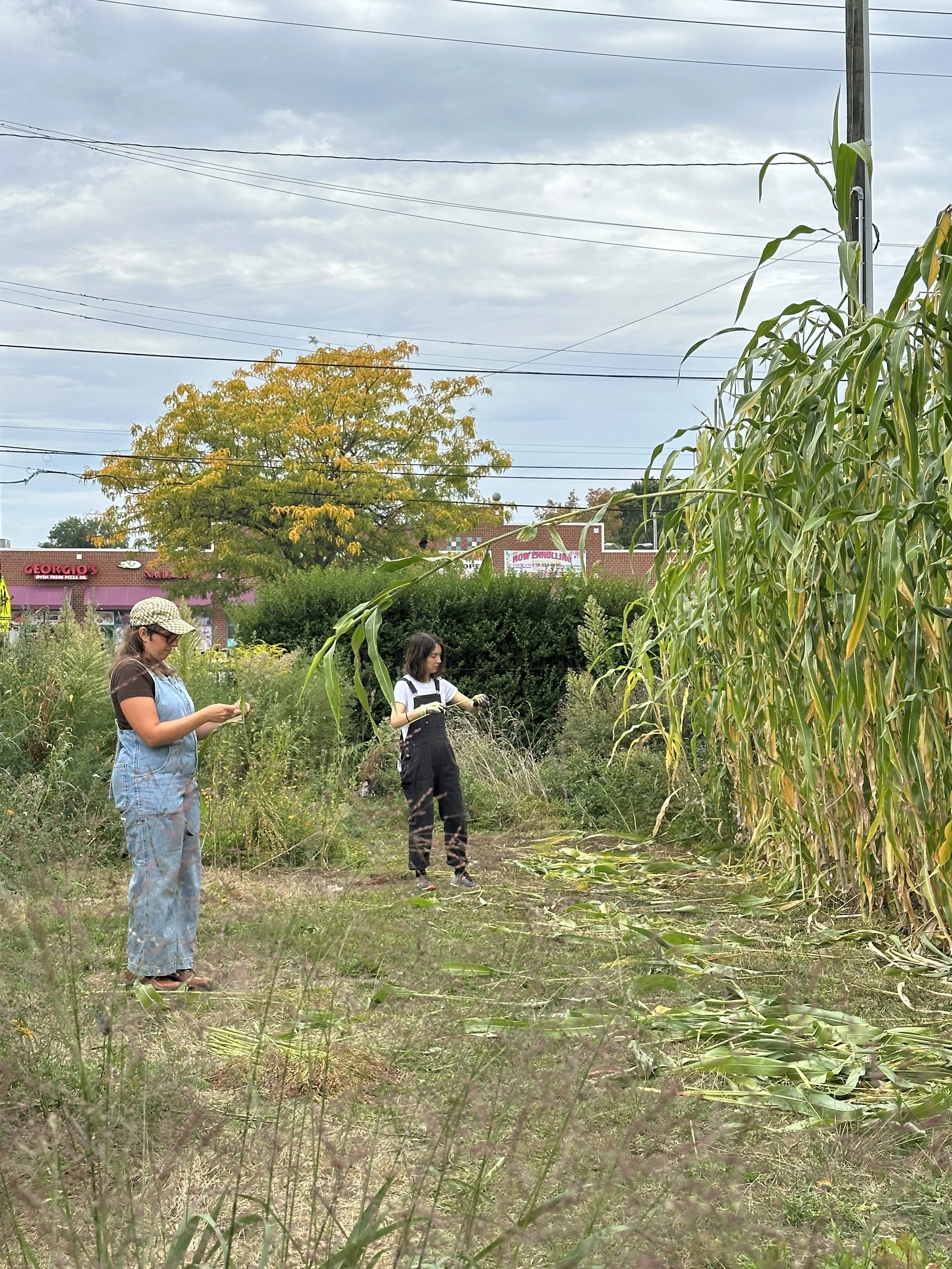
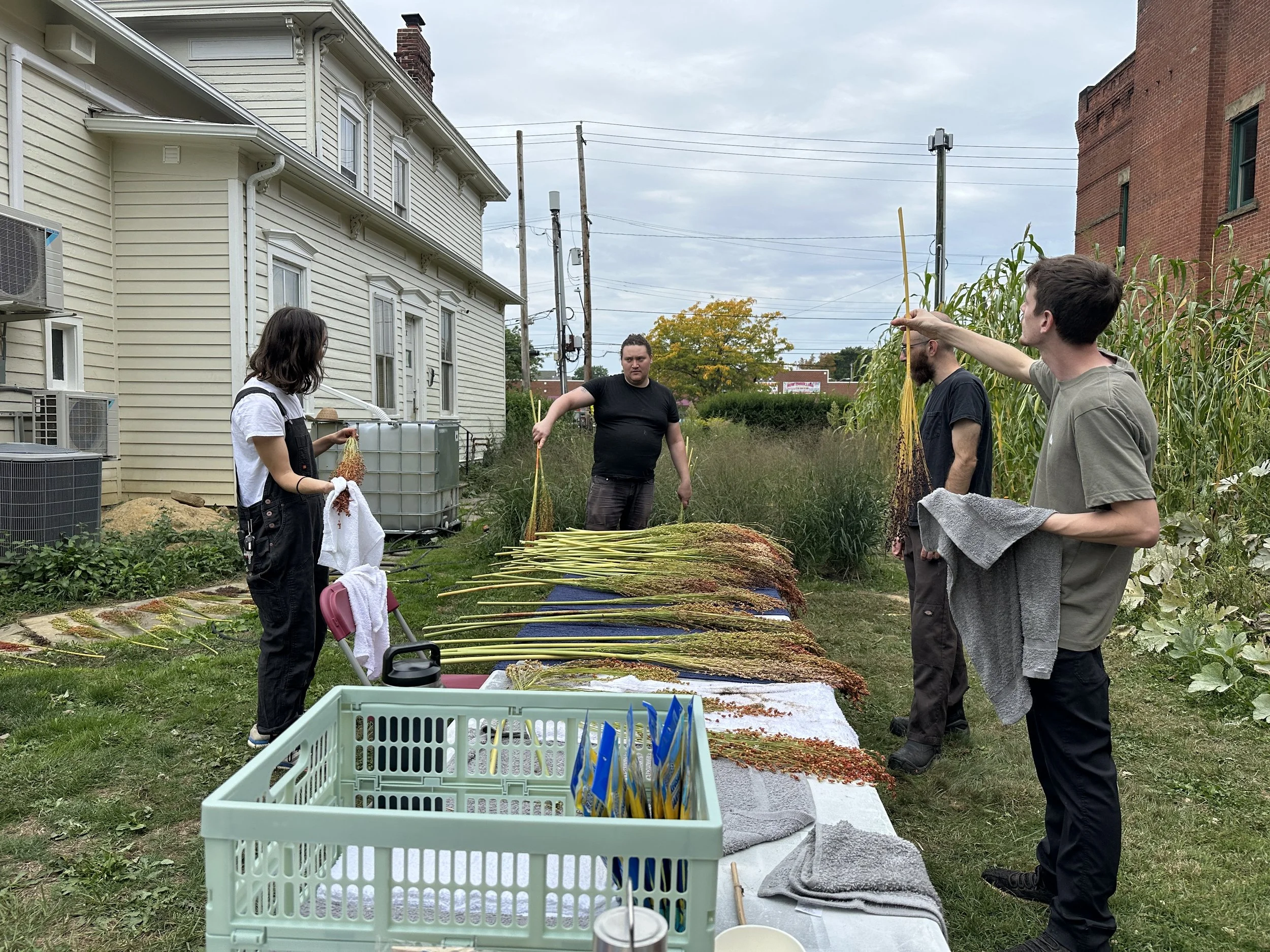
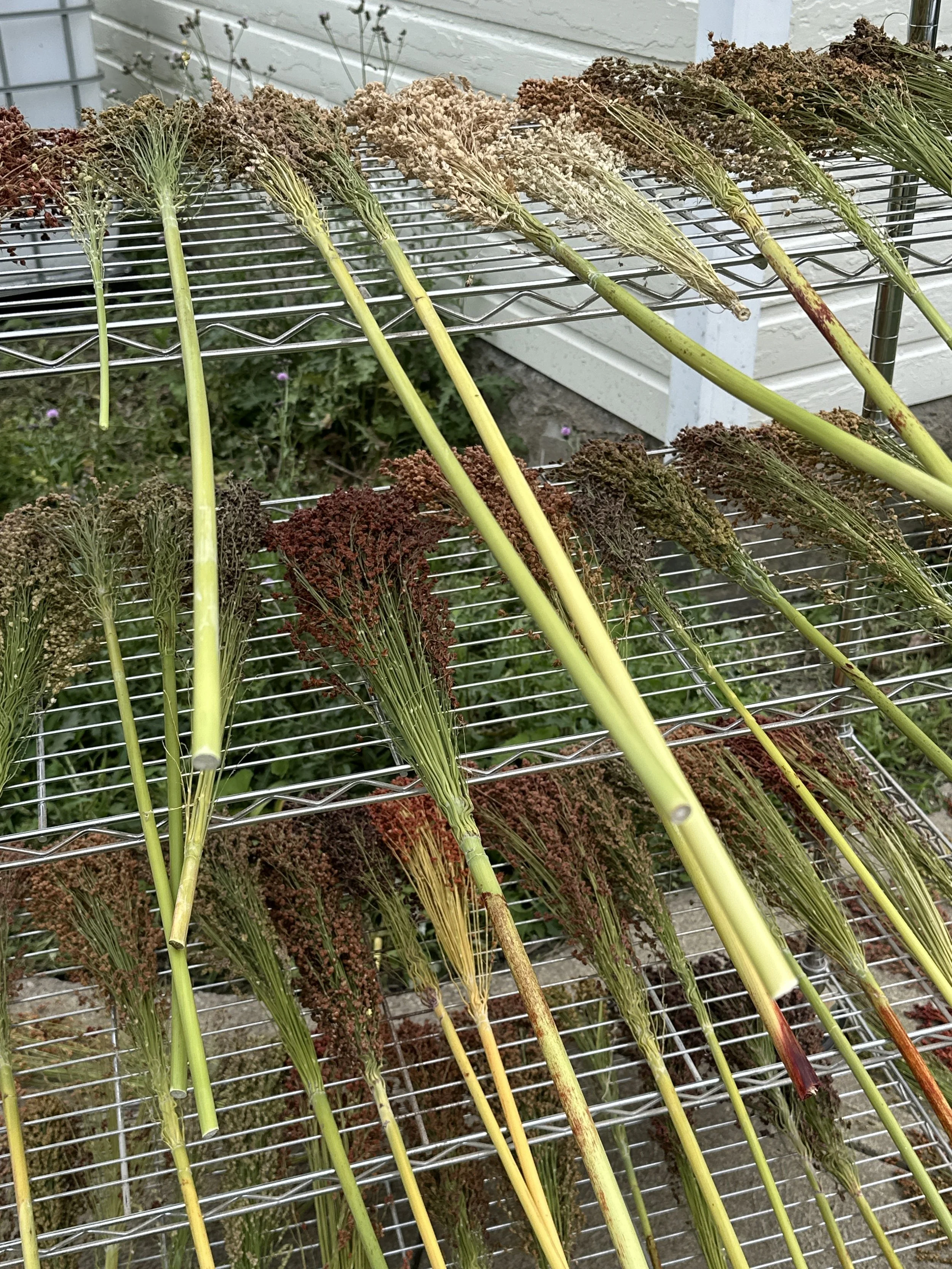
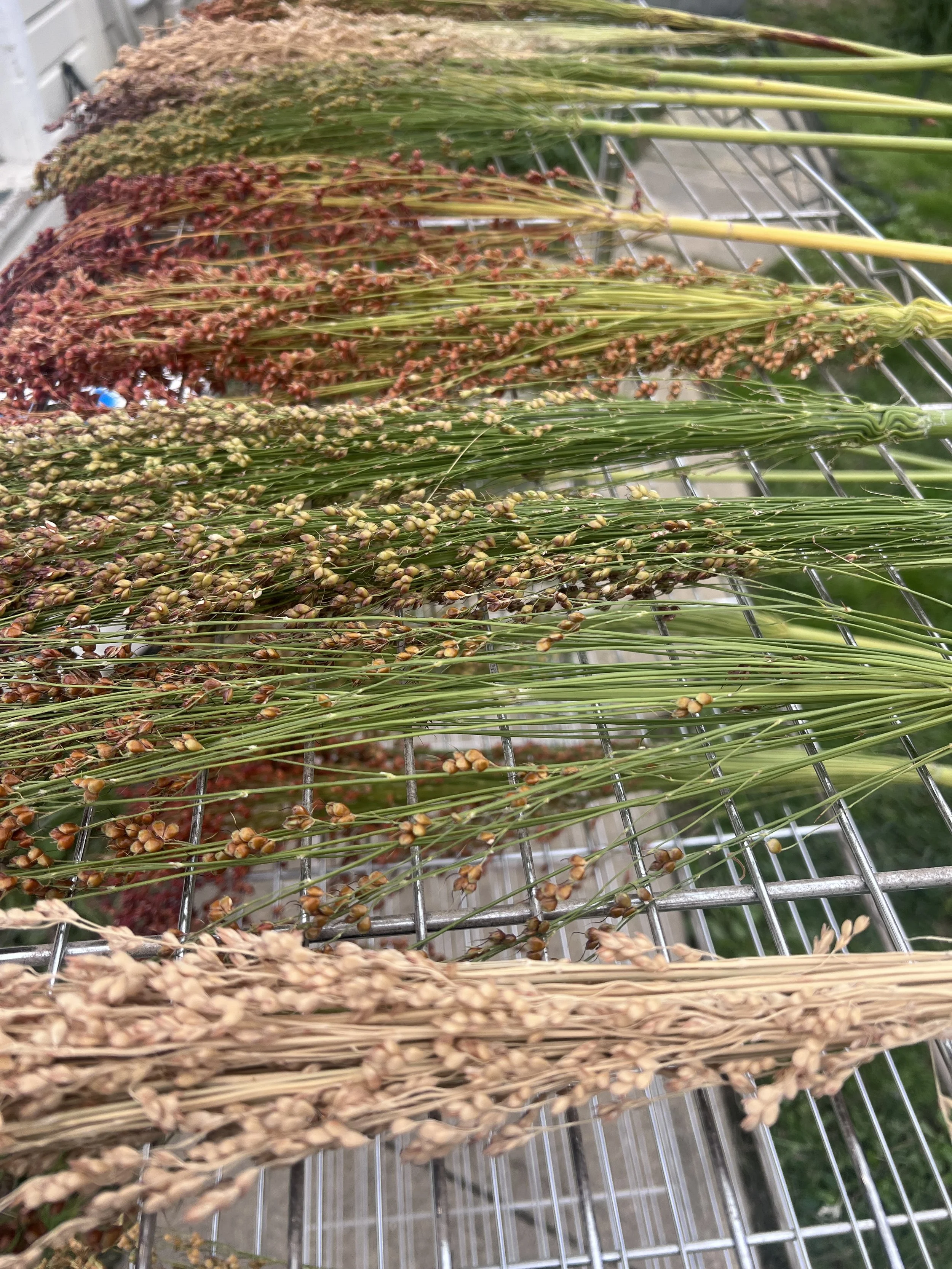
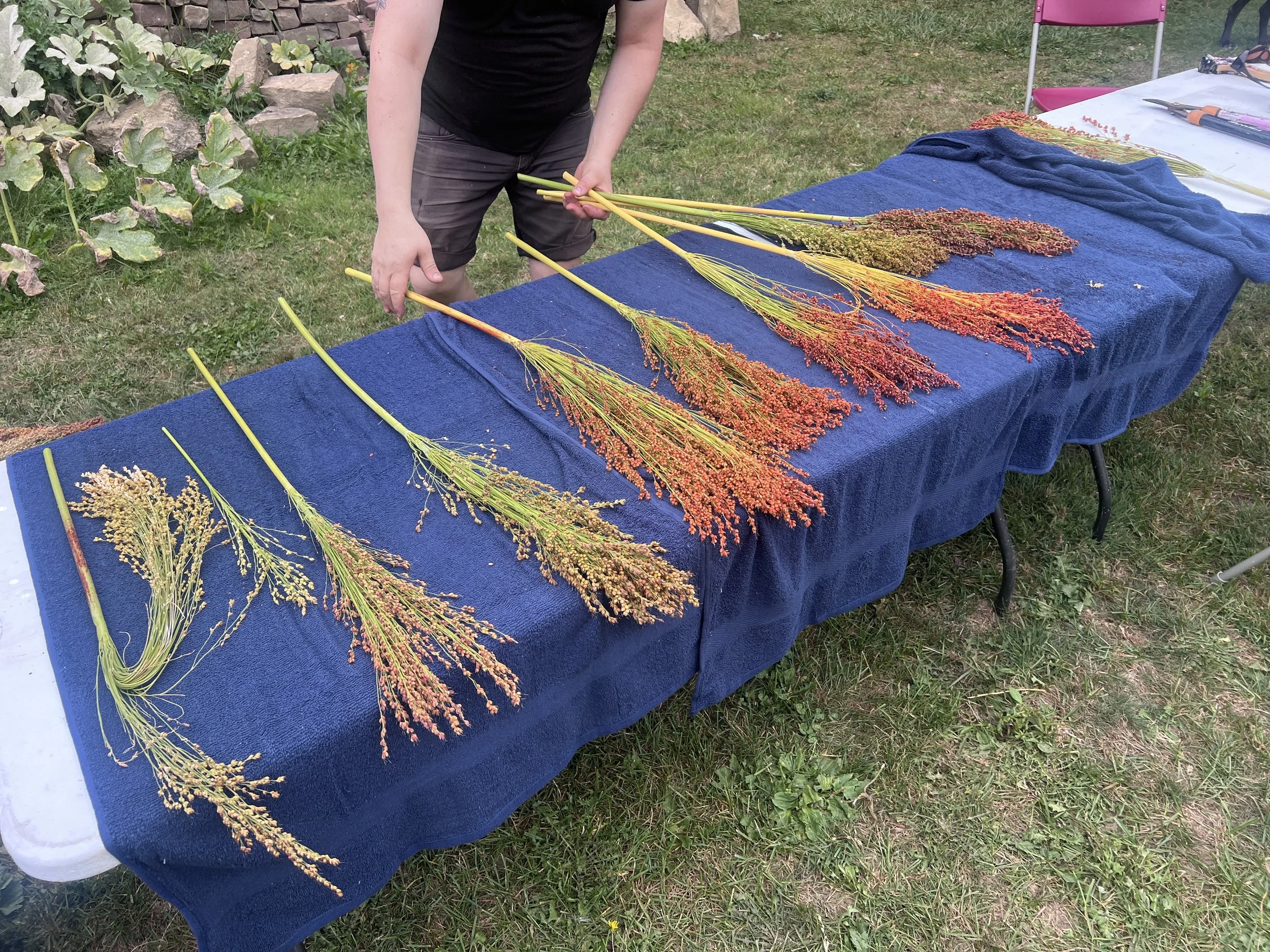
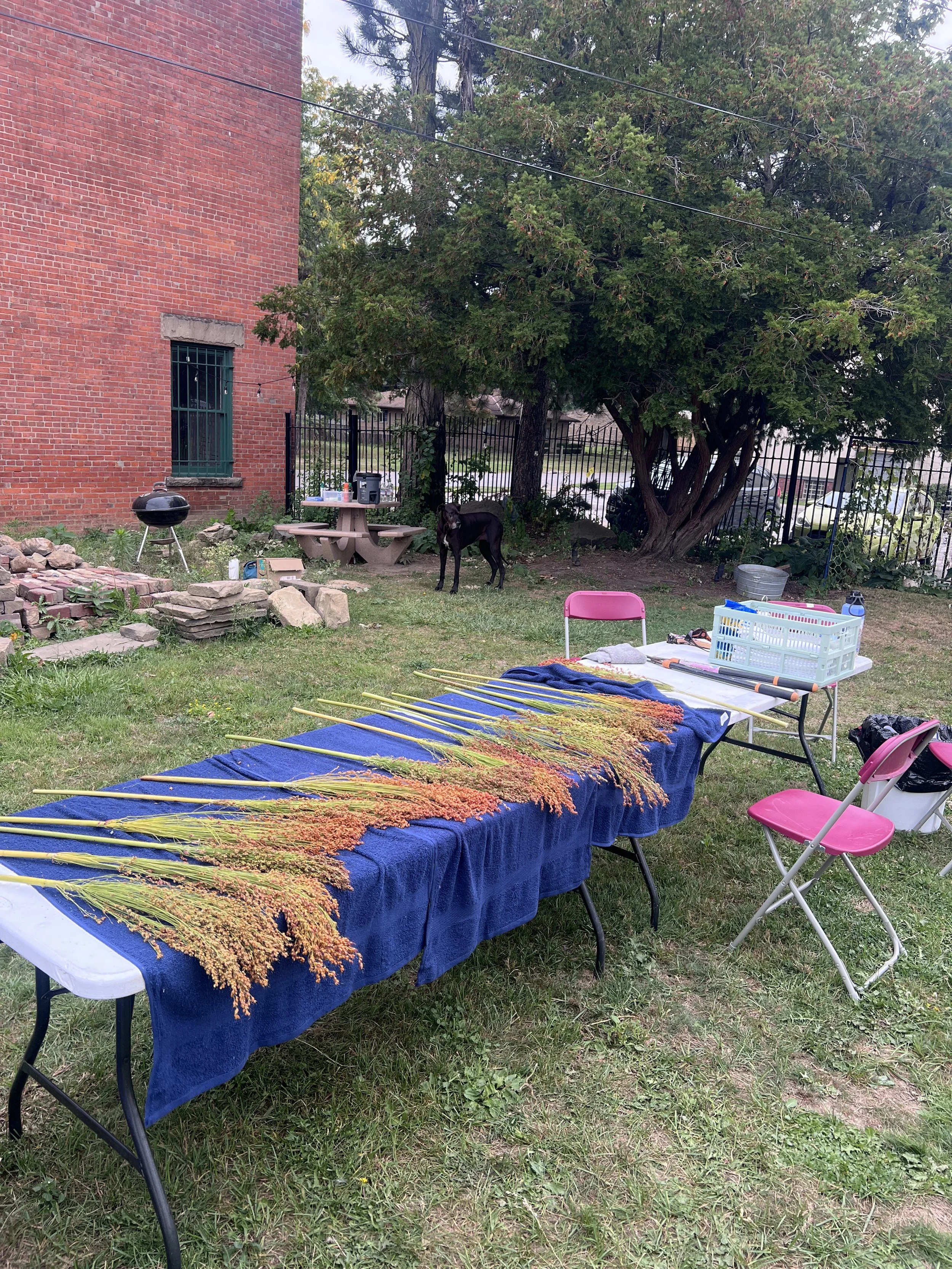
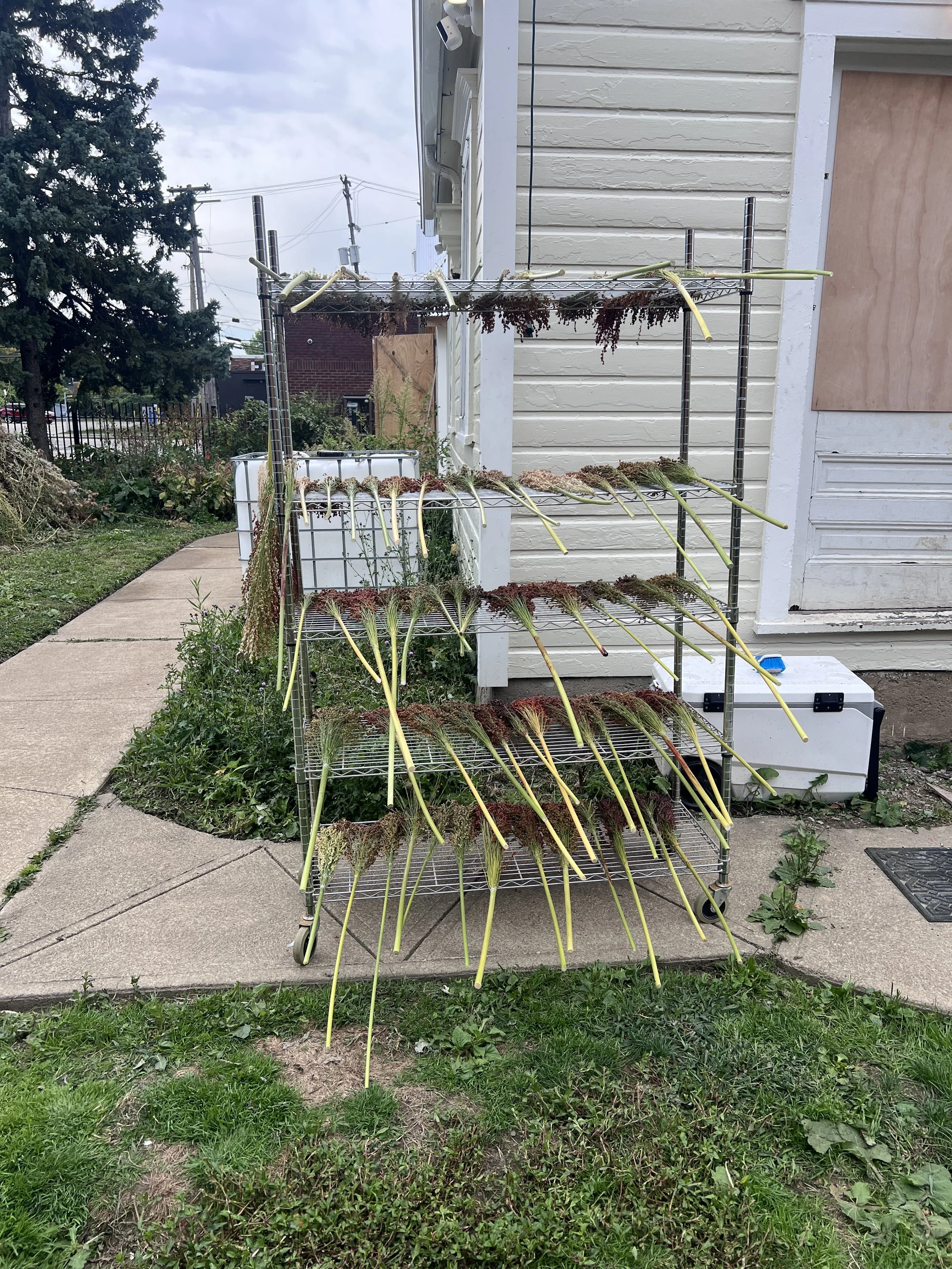
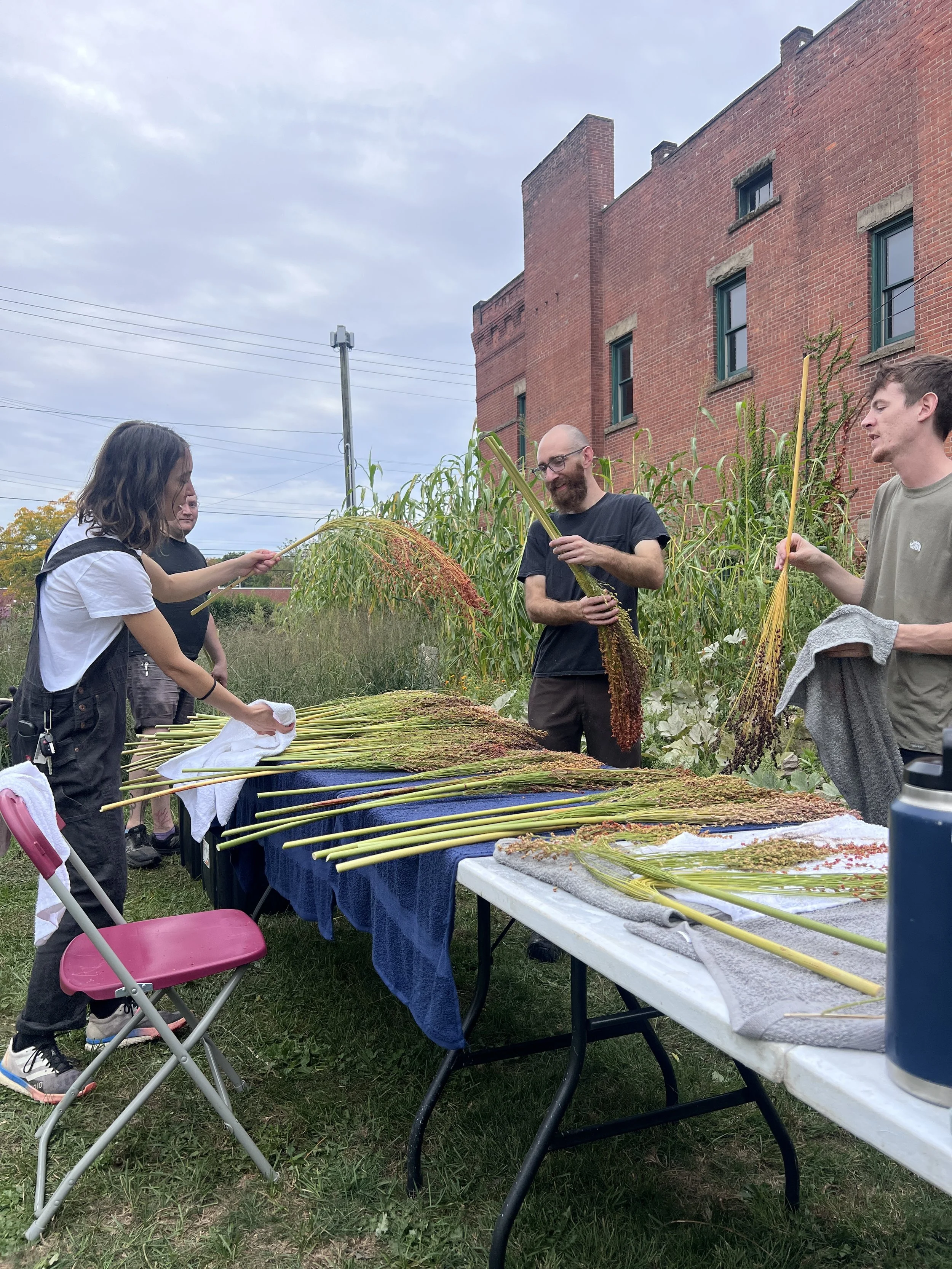
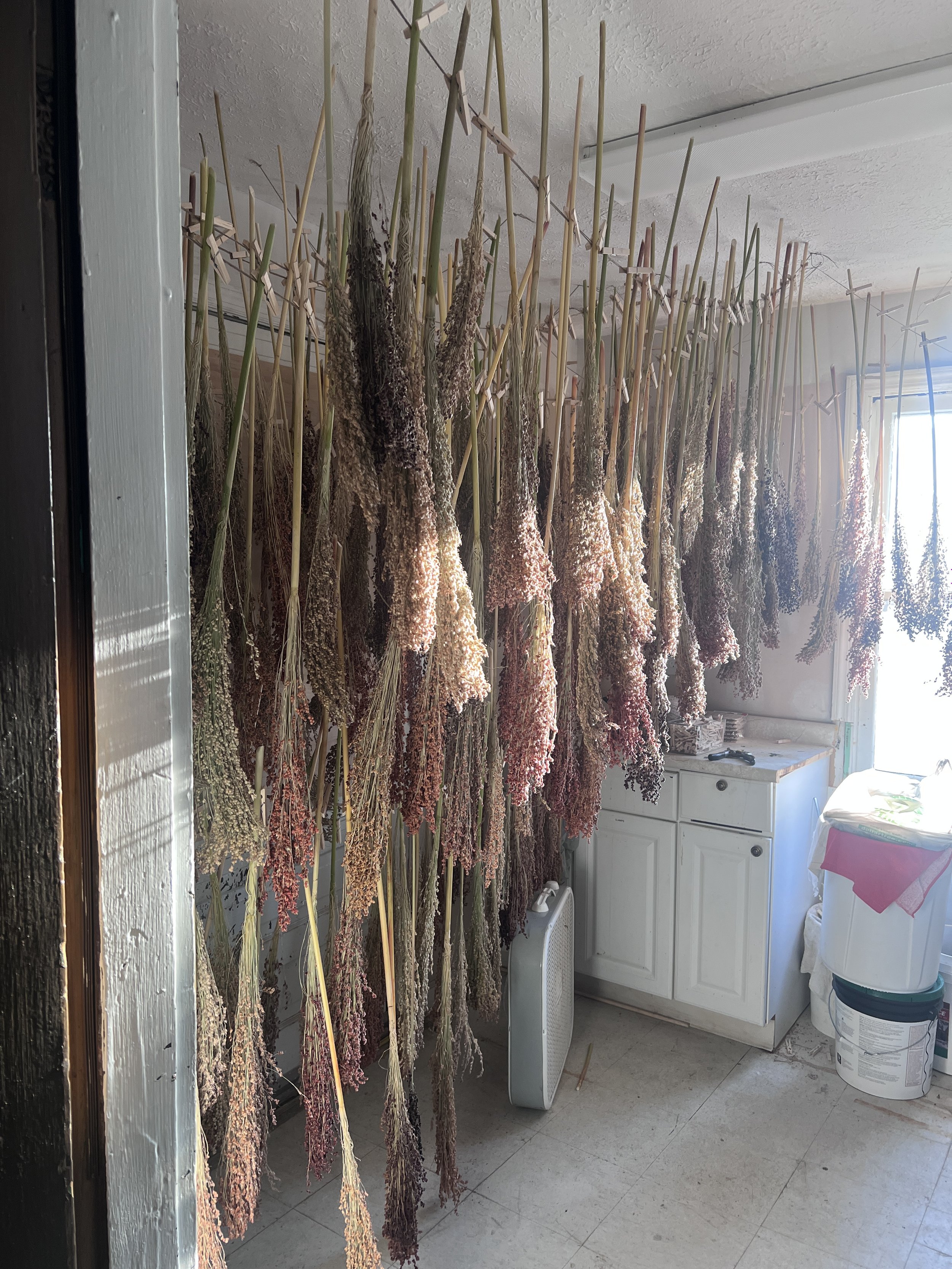
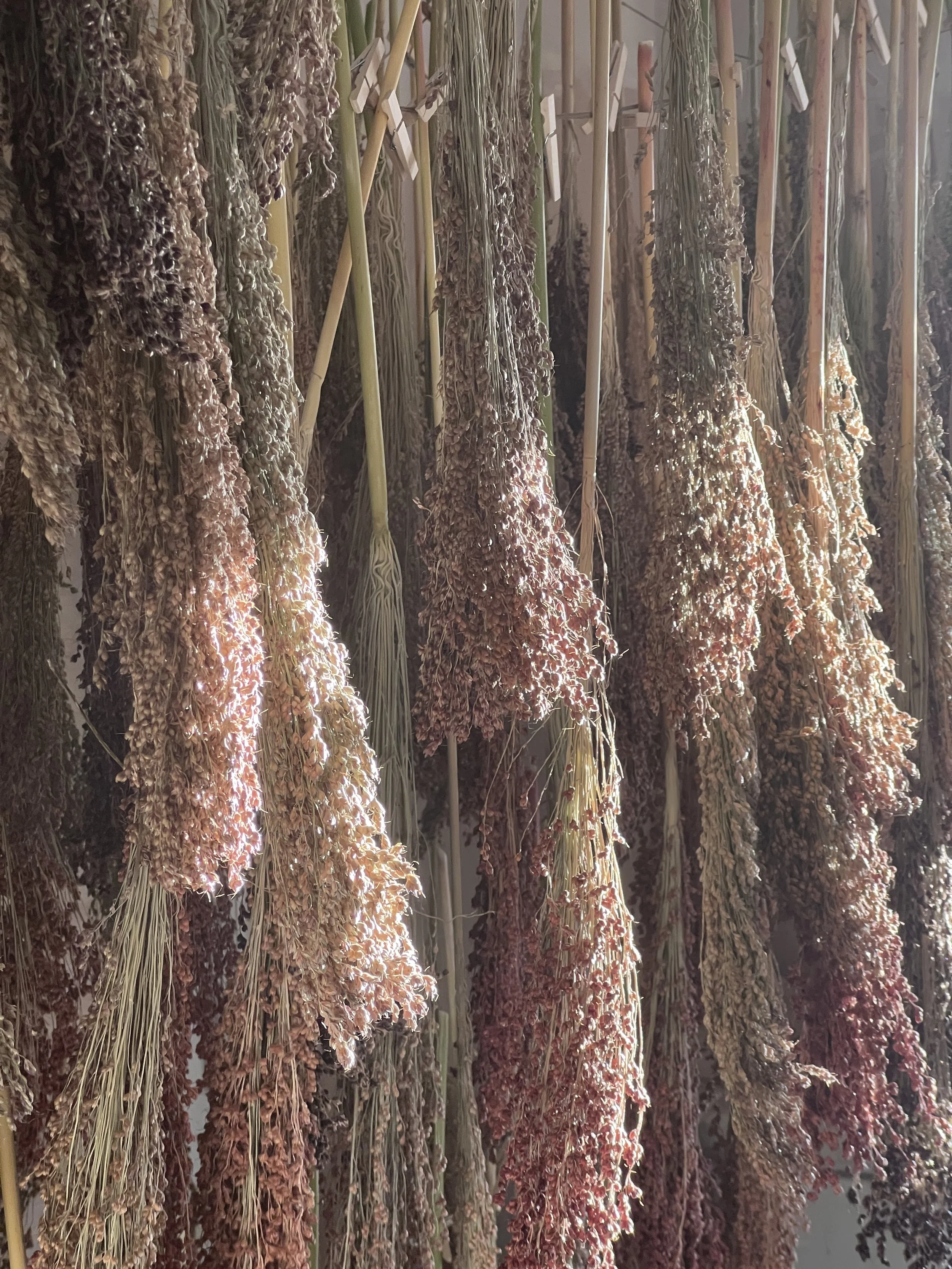
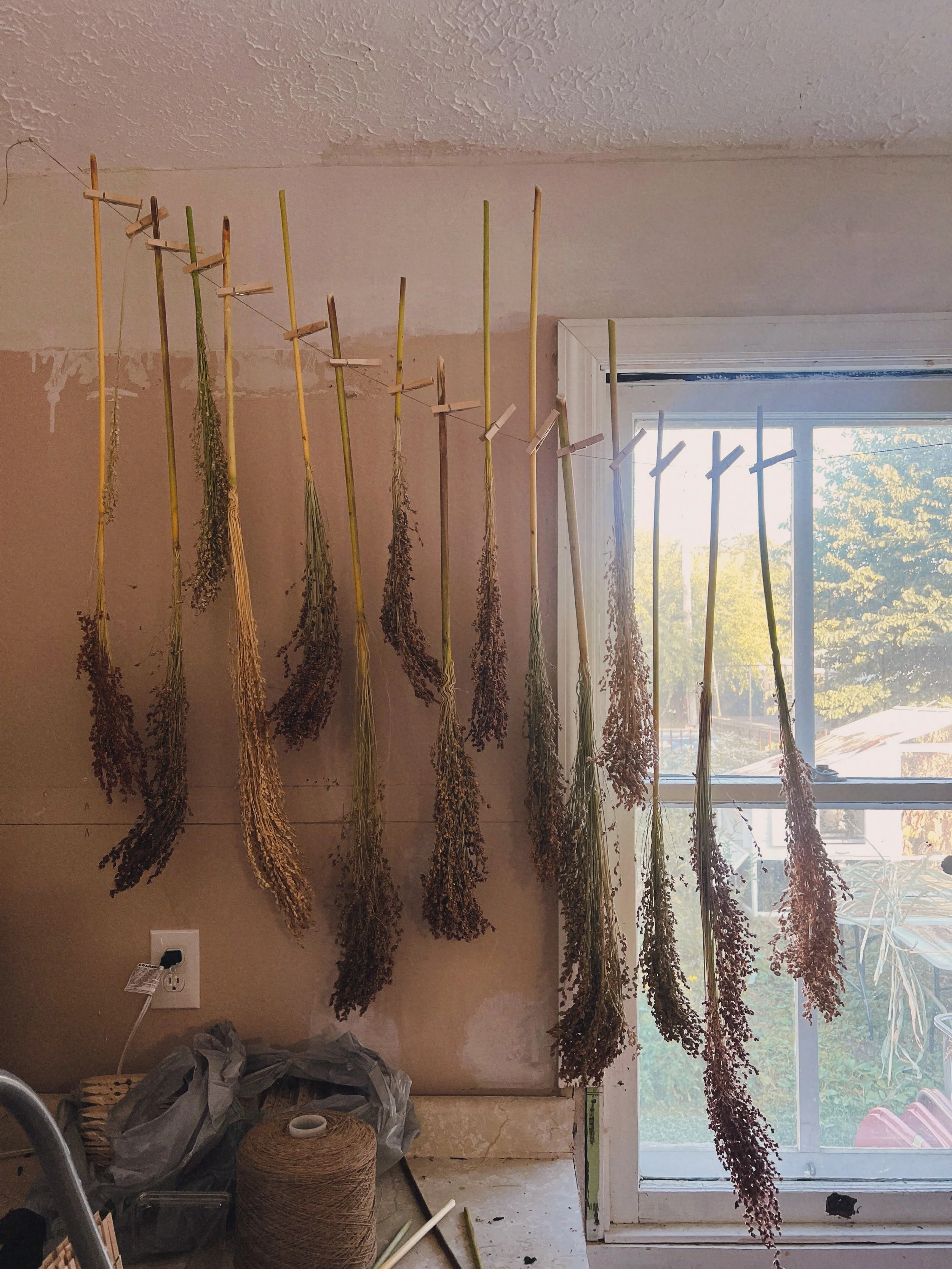
Across the growing season, broomcorn was planted, tended, and harvested on SHED’s land, becoming a visible marker of time and labor. The crop’s presence transformed the site into an open field of inquiry: visitors encountered rows of green stalks in summer, drying bundles in autumn, and finally material ready for making in winter. This slow arc of care and observation served as an unmediated invitation into the rhythms that shape craft, ecology, and everyday life.
The broomcorn we grew transformed into functional handbrooms, sculptural work, and experimental objects. By grounding the residency in a material grown on site, the project collapsed the distance between land, labor, and object — making tangible the often-invisible steps that shape how things come to be.
Sorghum also seeded hands-on learning and public engagement throughout the year. Growing our own material created opportunities for informal conversation, curiosity-driven visits, and community connection that extended far beyond a typical exhibition window. It allowed us to emphasize craft as an ecological as well as cultural practice, and to invite audiences into a space where making begins in the soil and unfolds through sustained attention.
By positioning growth as research, Sorghum reinforced SHED Projects’ commitment to process-driven, site-responsive work — work that honors patience, material agency, and the generative relationship between art and daily life.

This project was supported in part by a grant from the Ohio Arts Council, which receives support from the State of Ohio and the National Endowment for the Arts.