Zawj | زوج
August 1, 2026
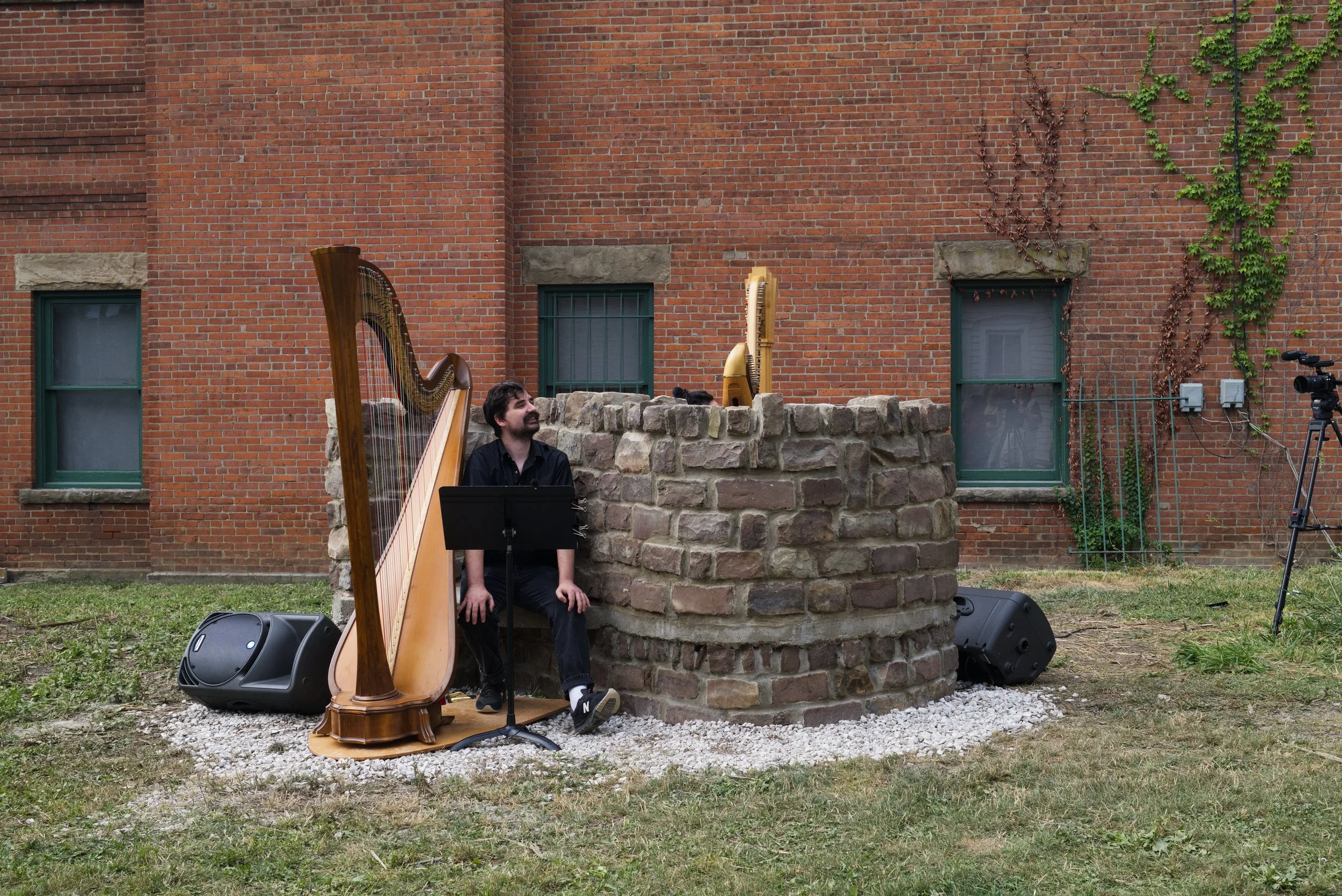
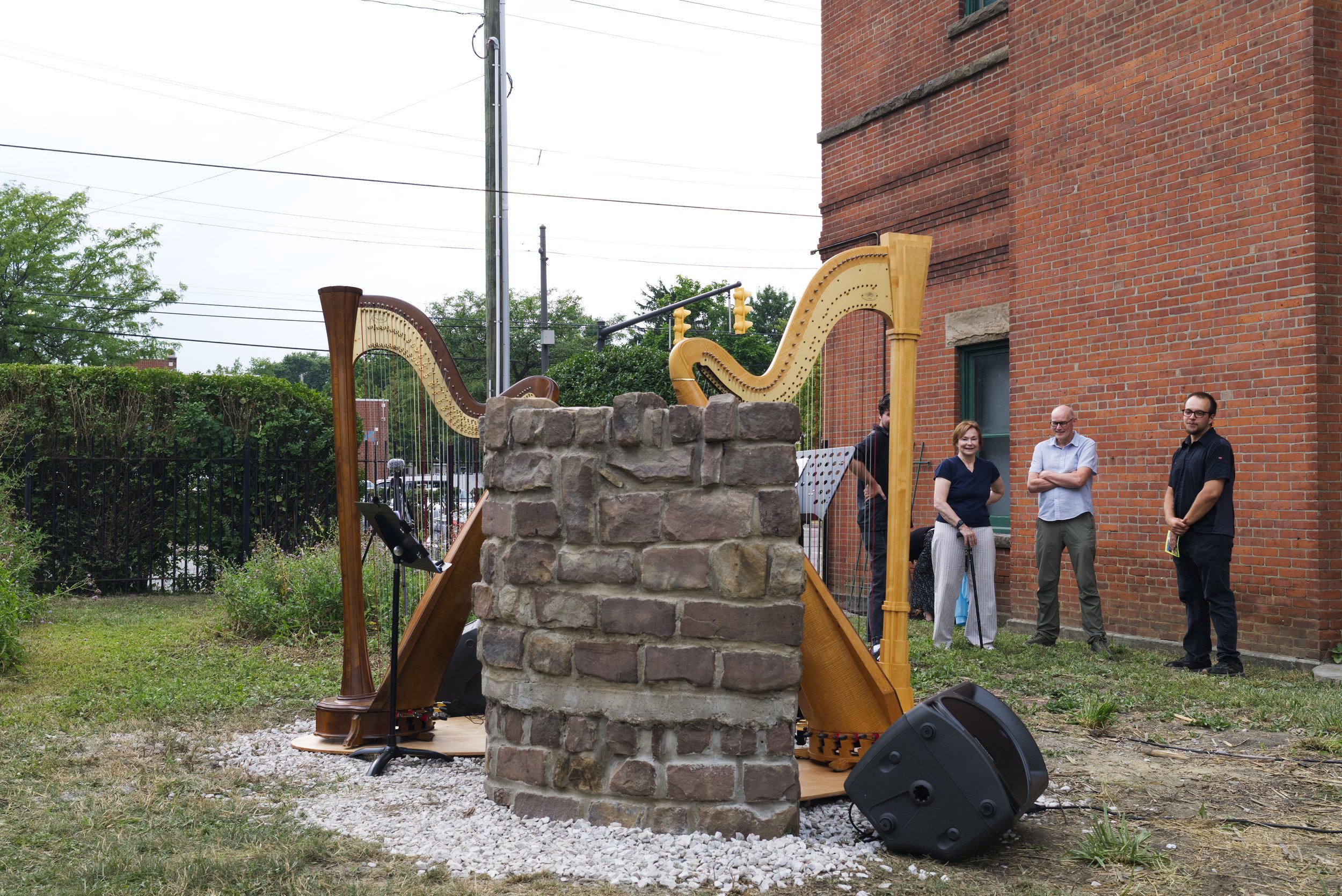
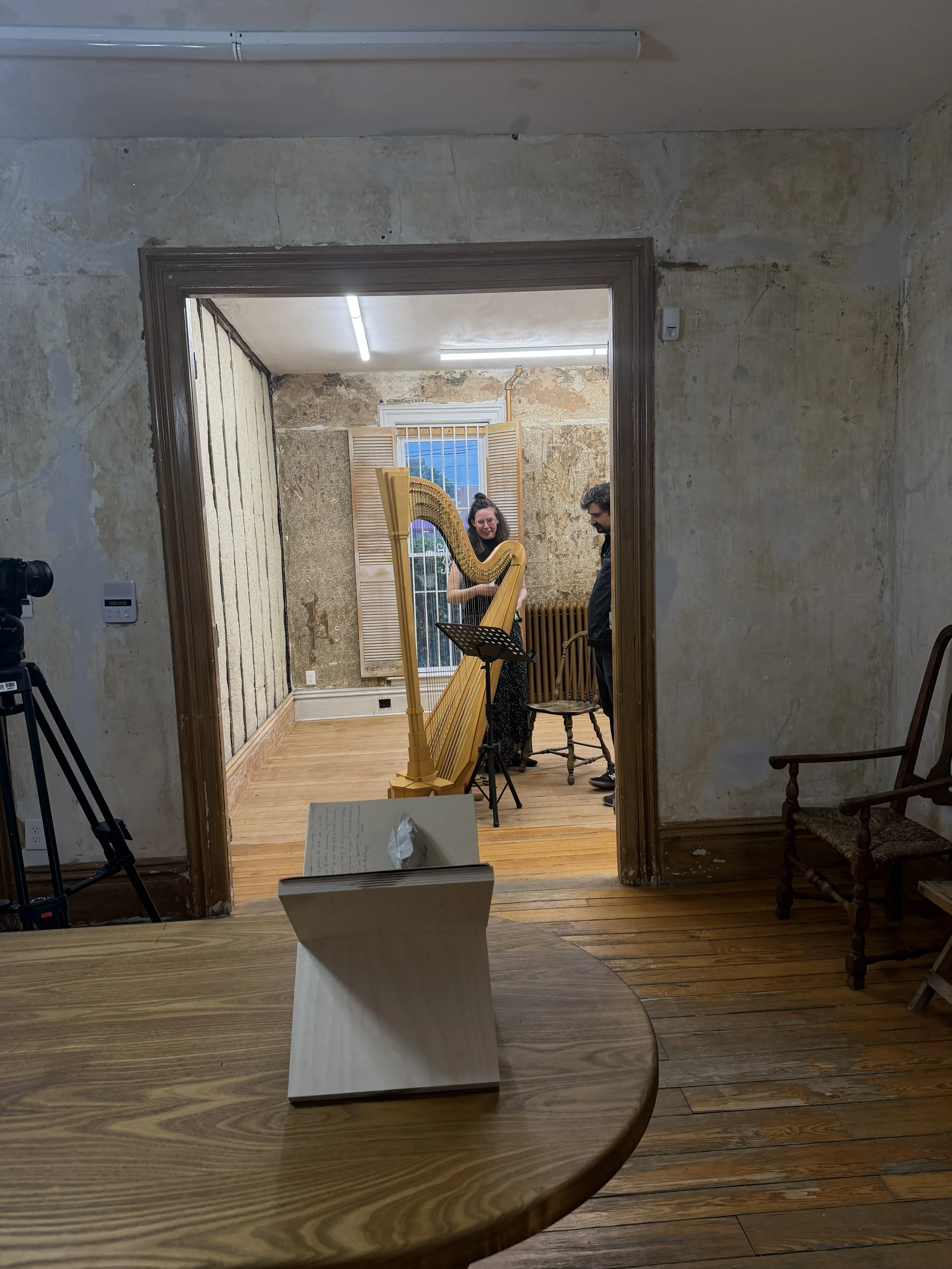
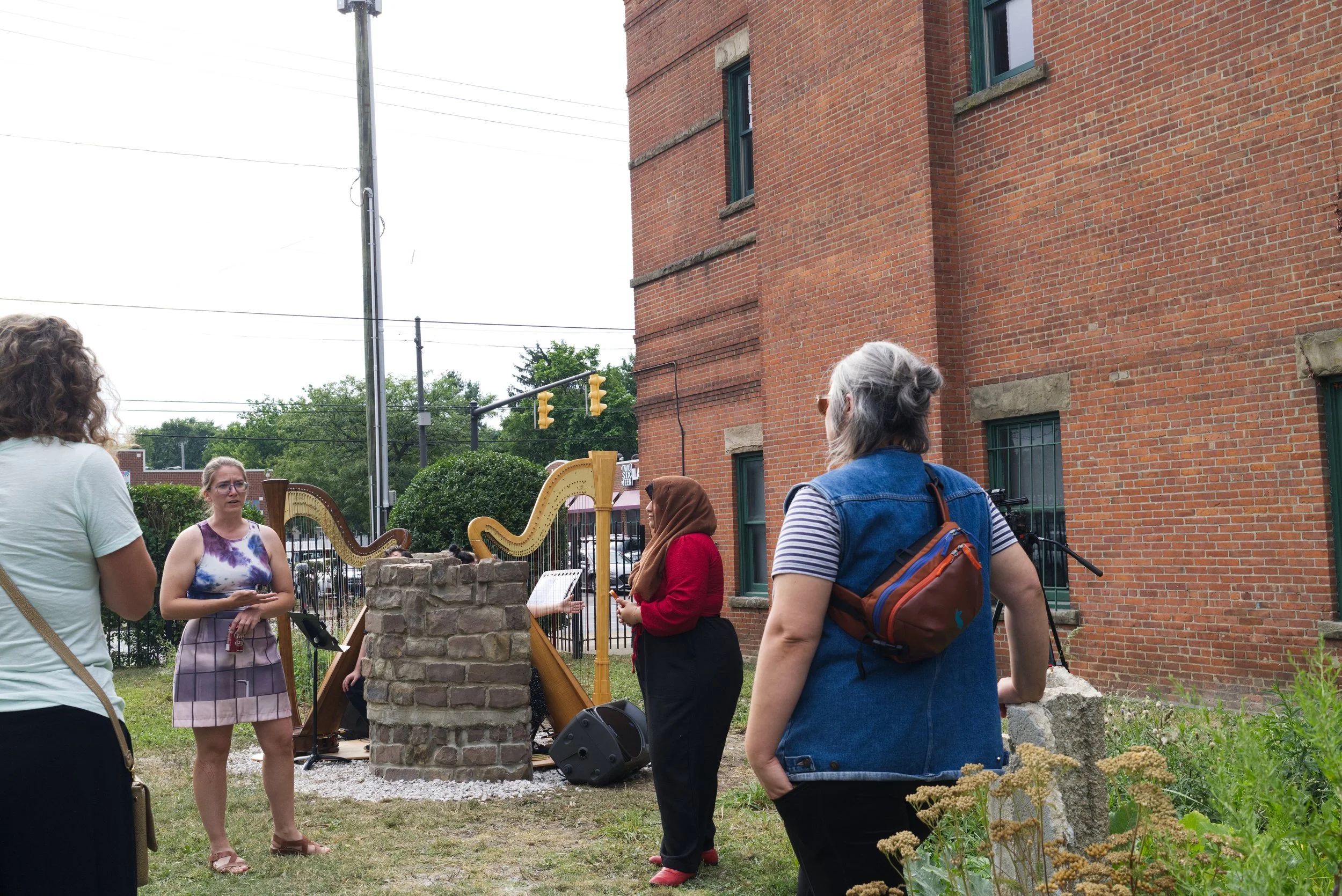
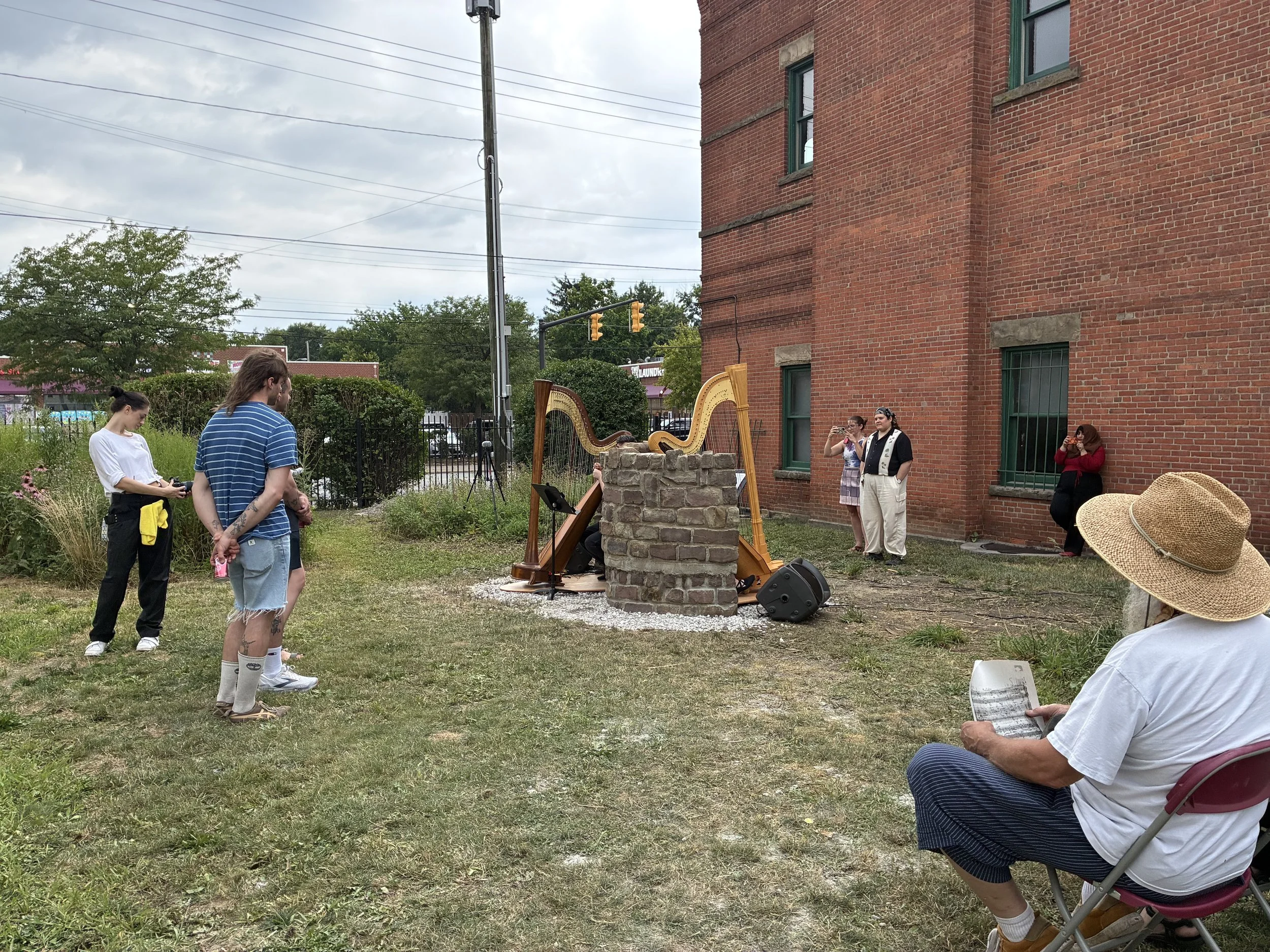
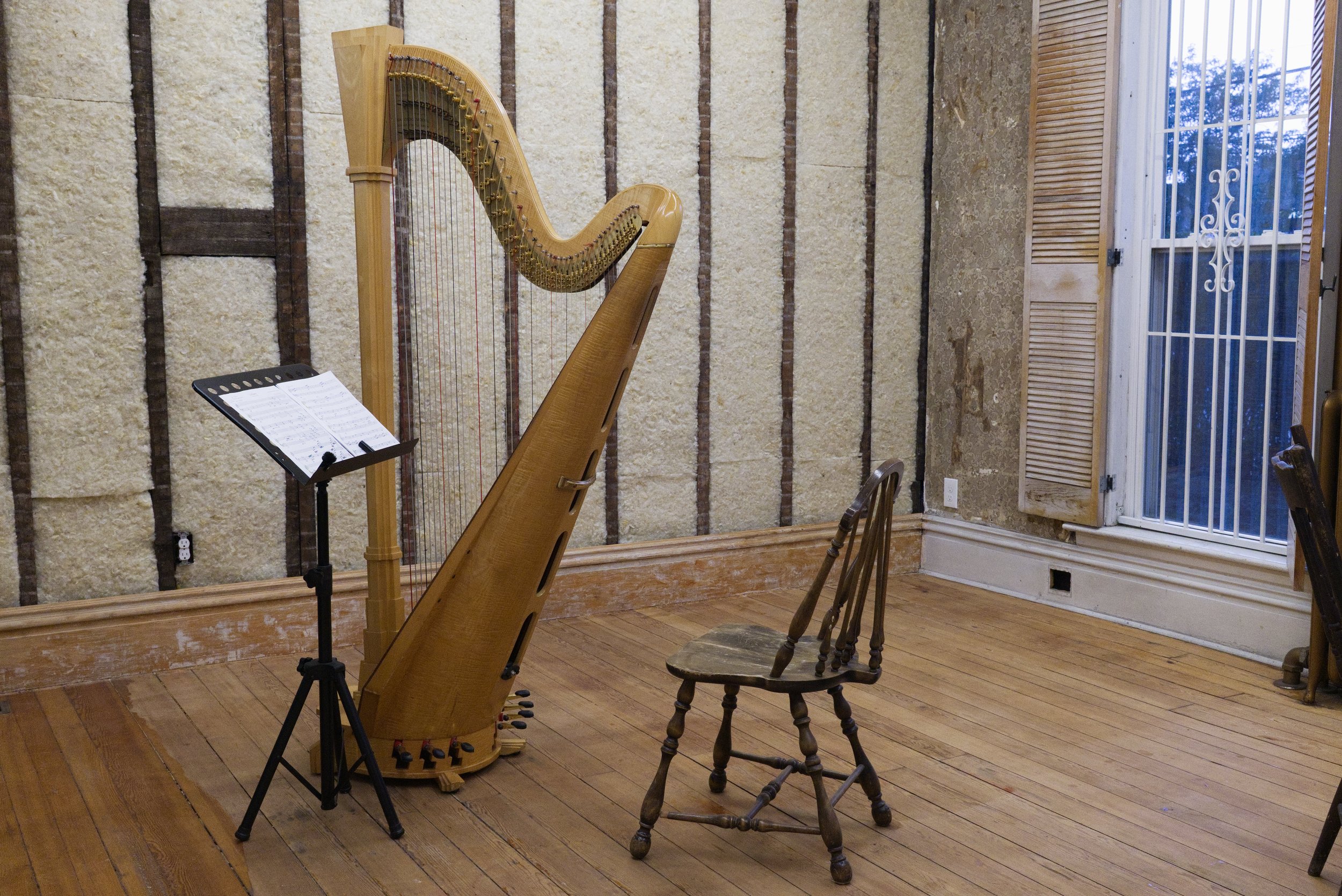
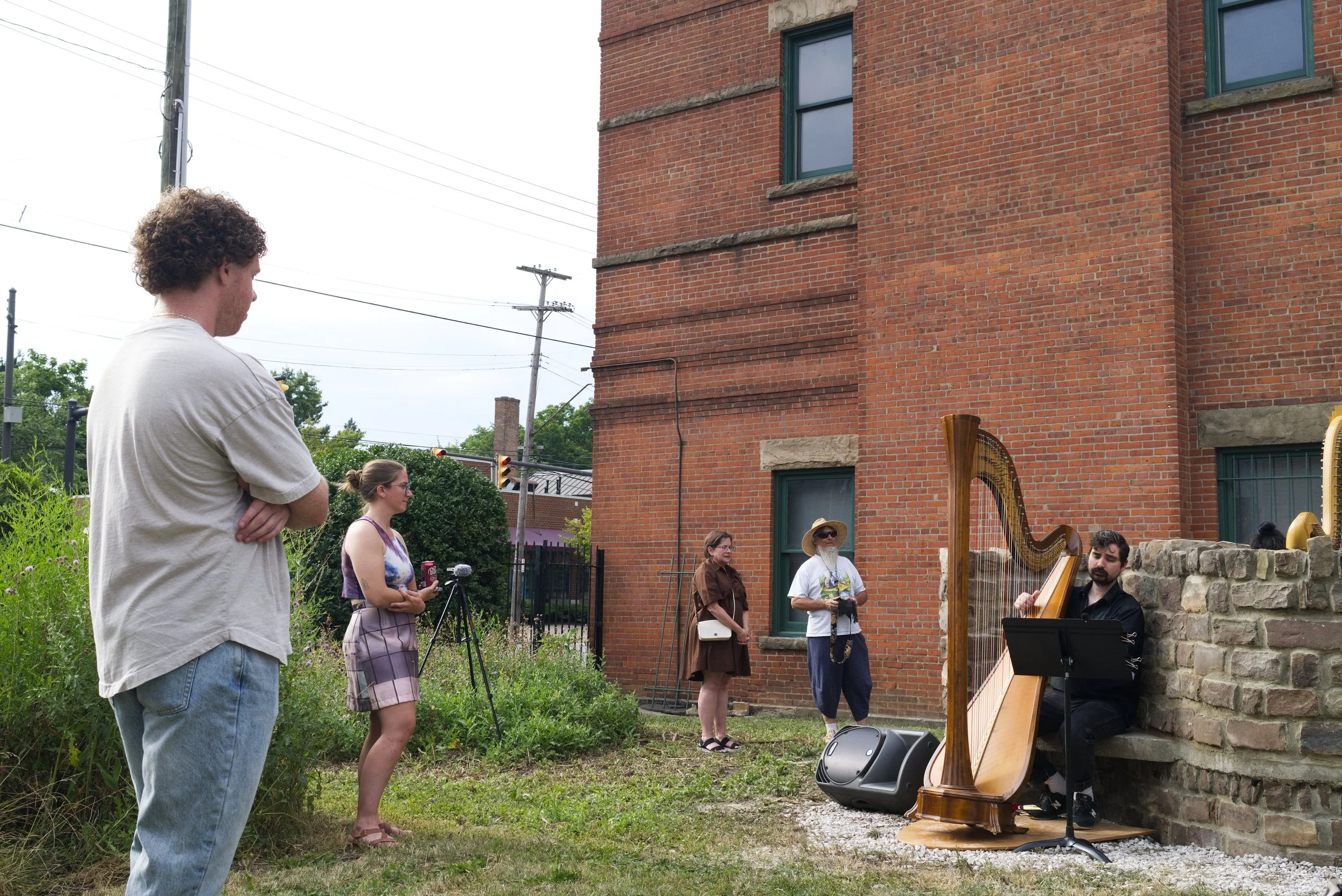
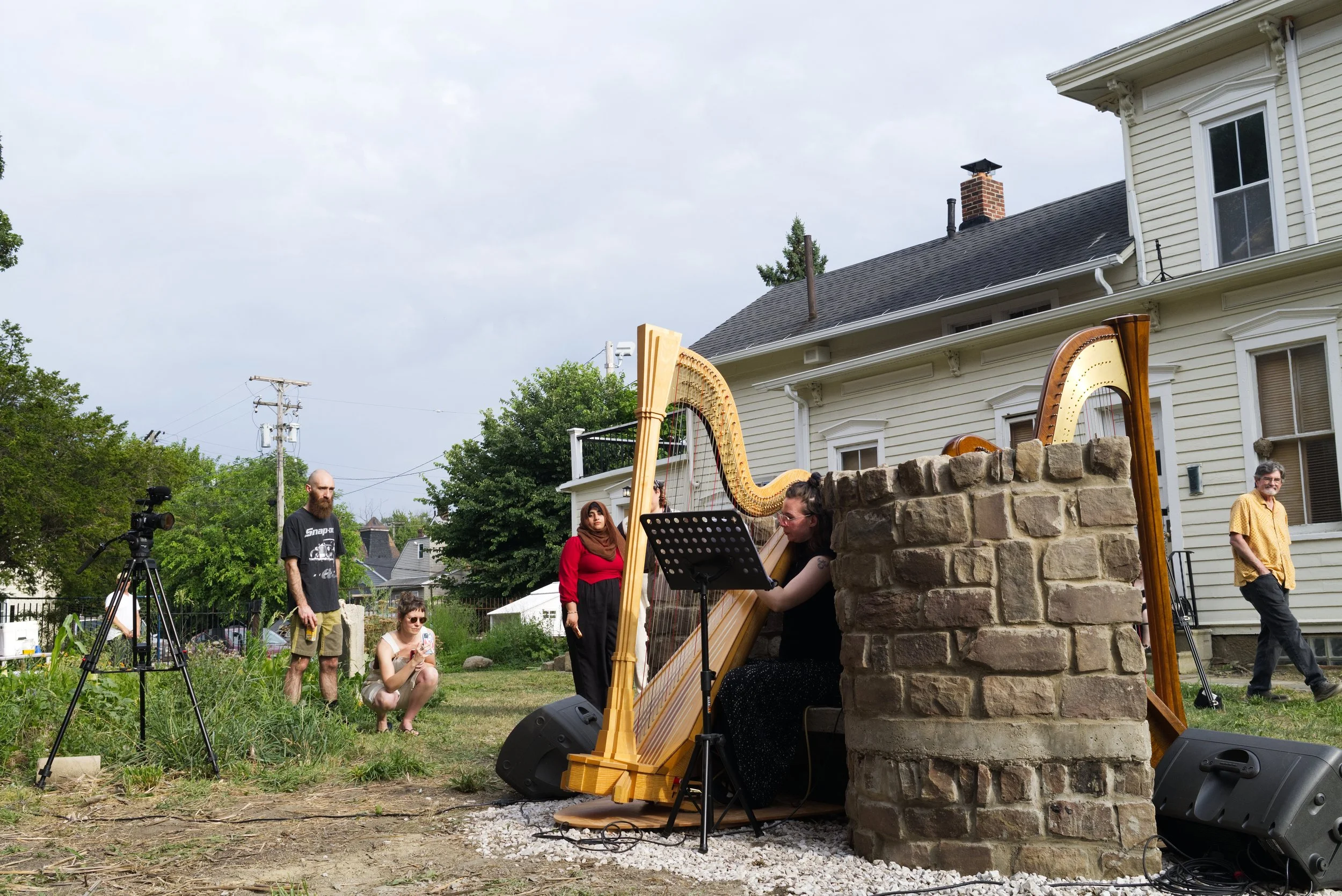
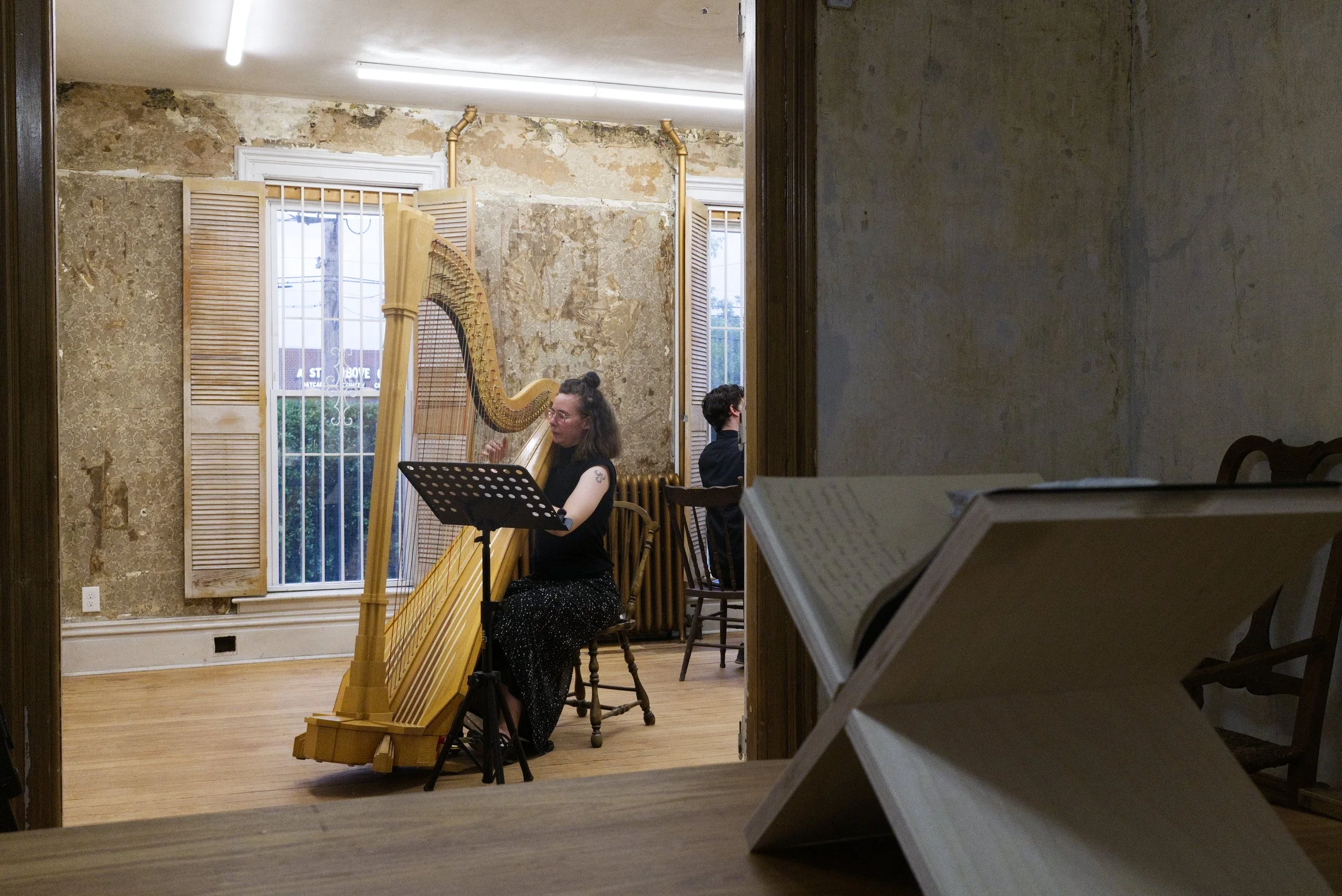
featuring Stephan Haluska and Celia van den Bogert, performing Lullaby, an original composition written by Mohammad Motevaselan
Special thanks to Dima Alhesan and Taylor Knight-Turner
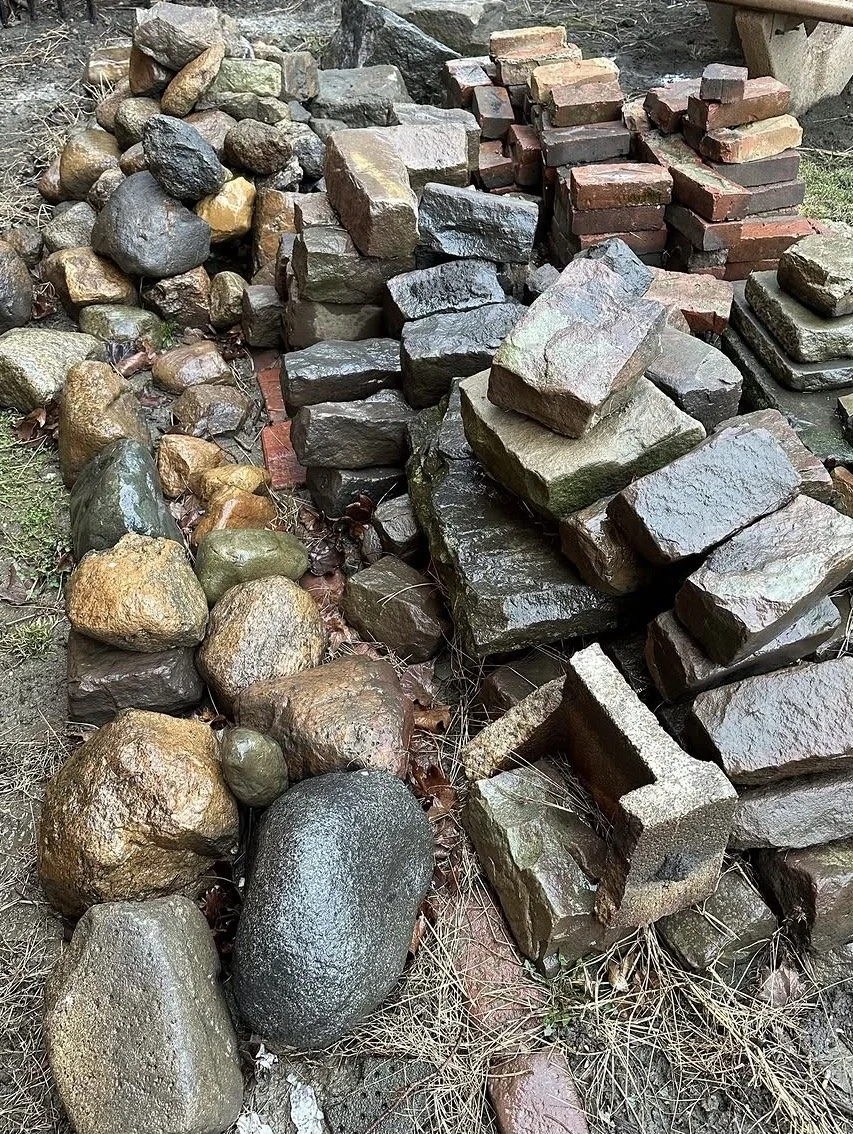
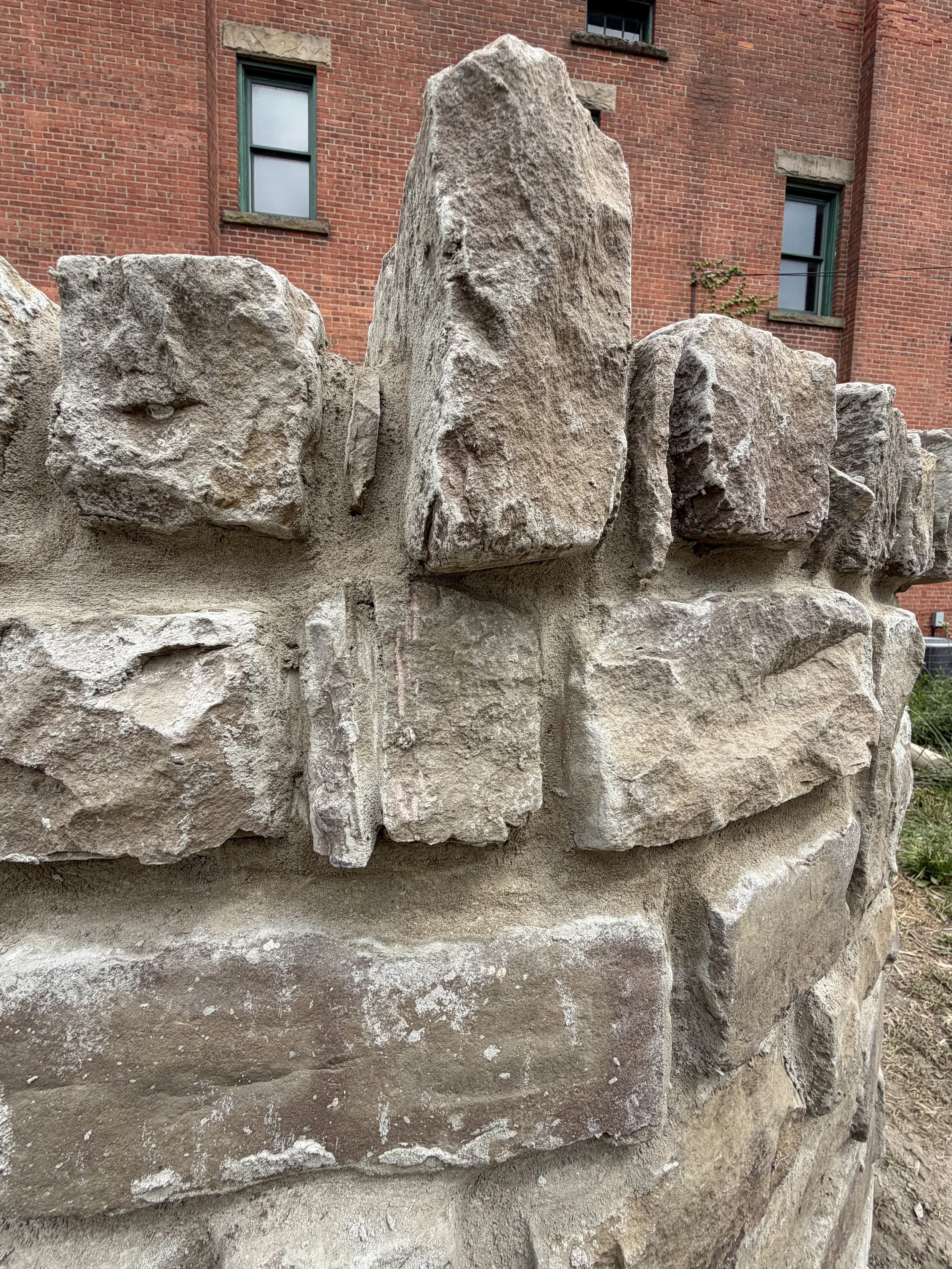
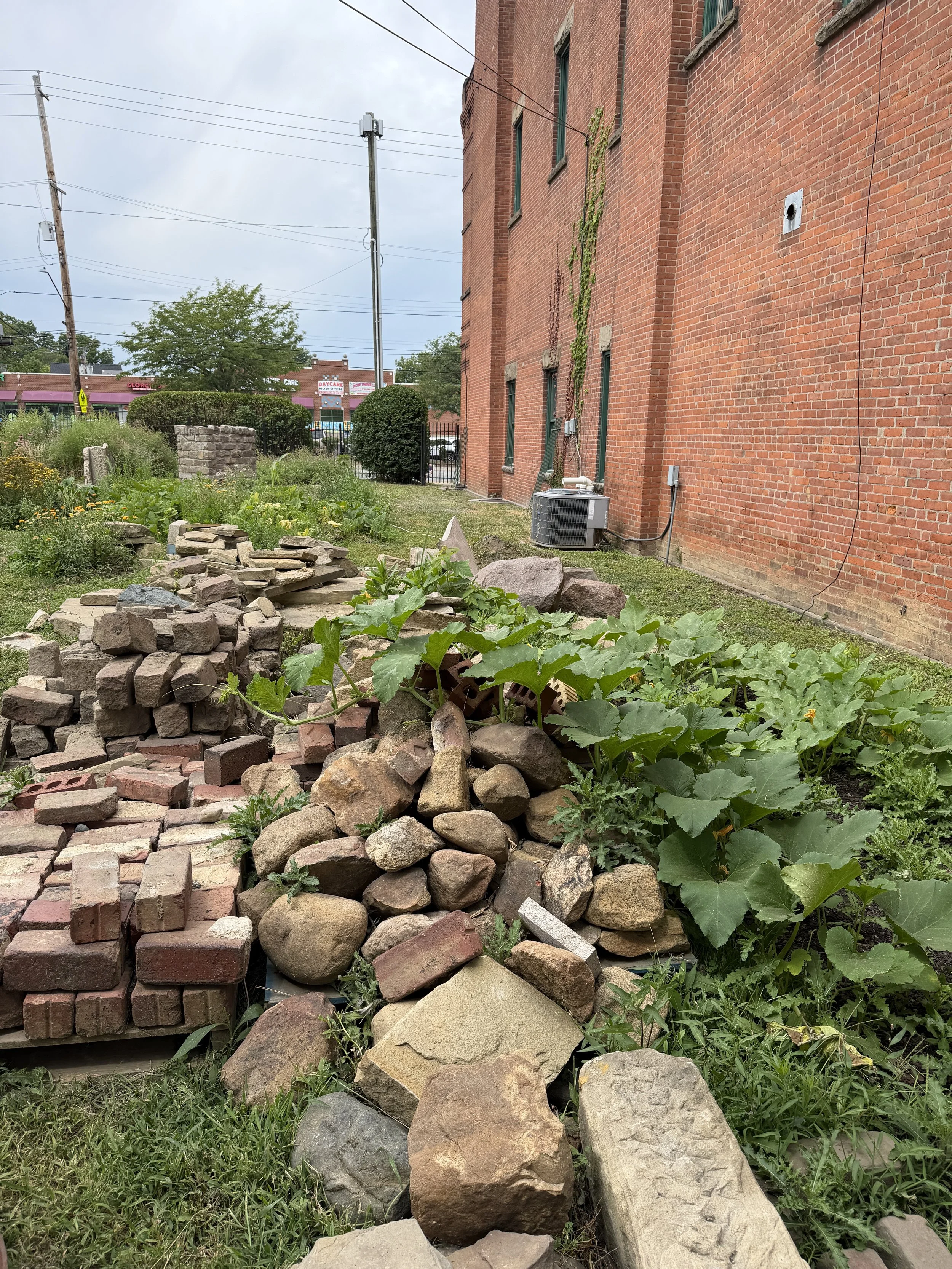
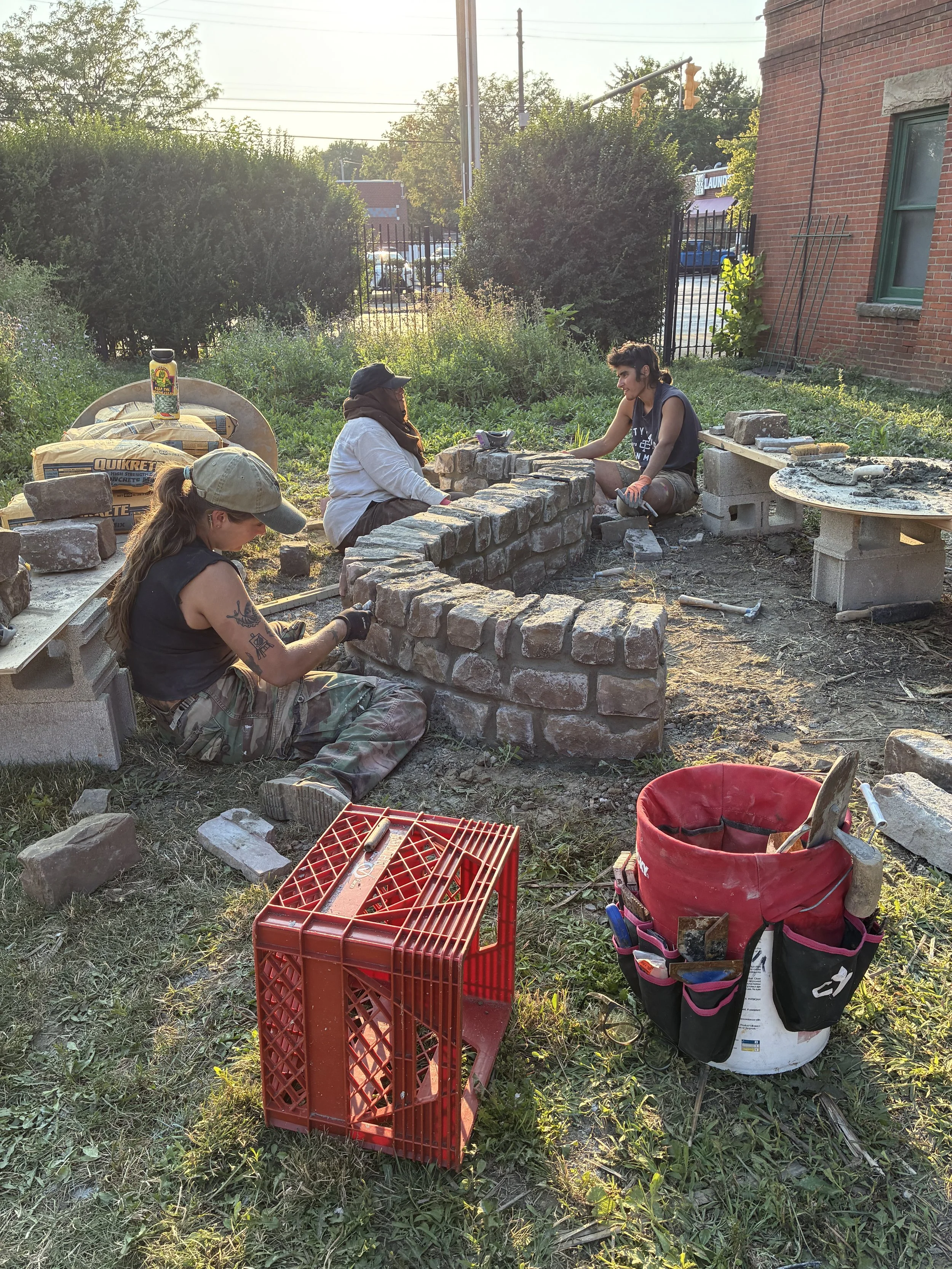
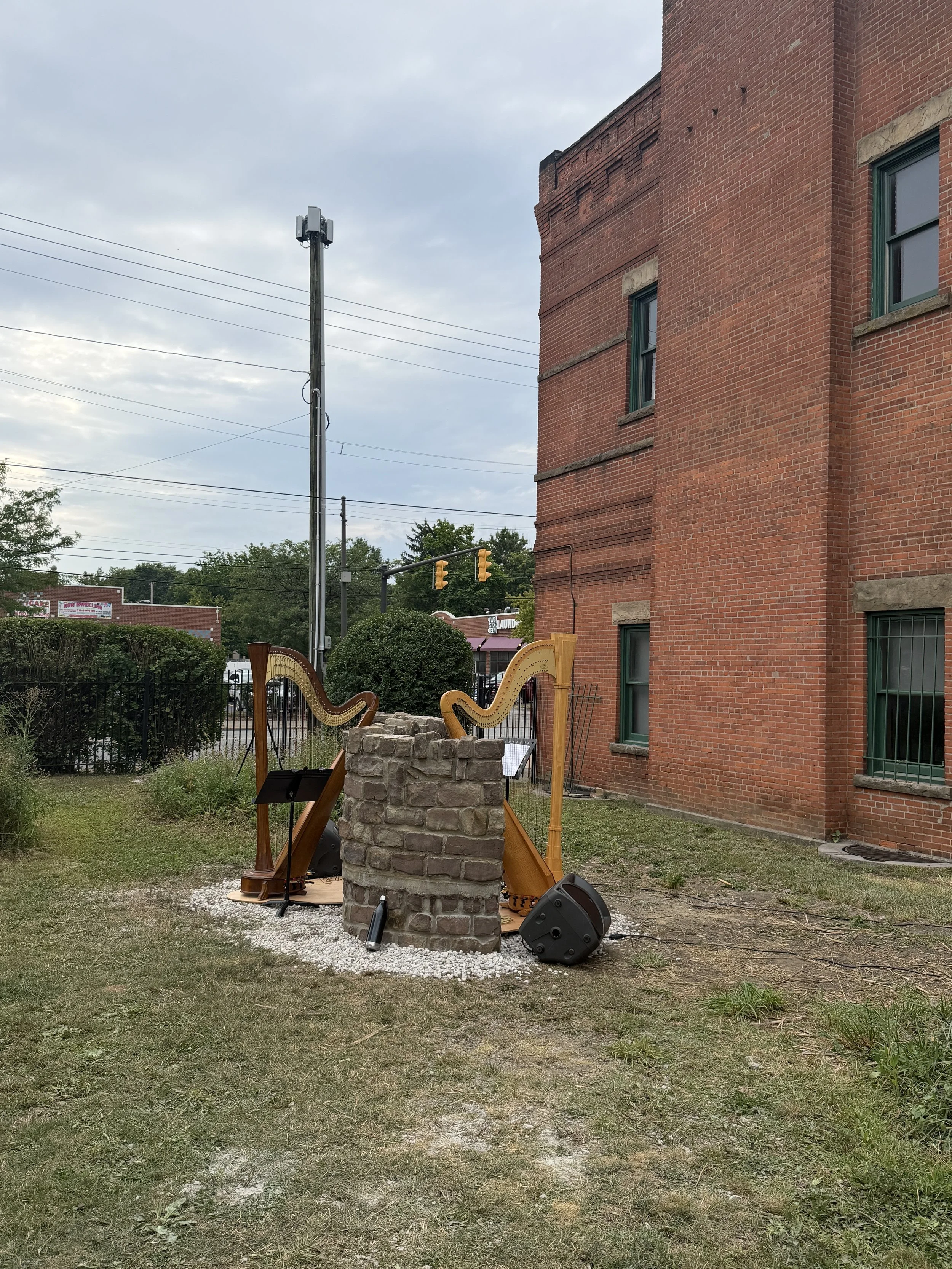
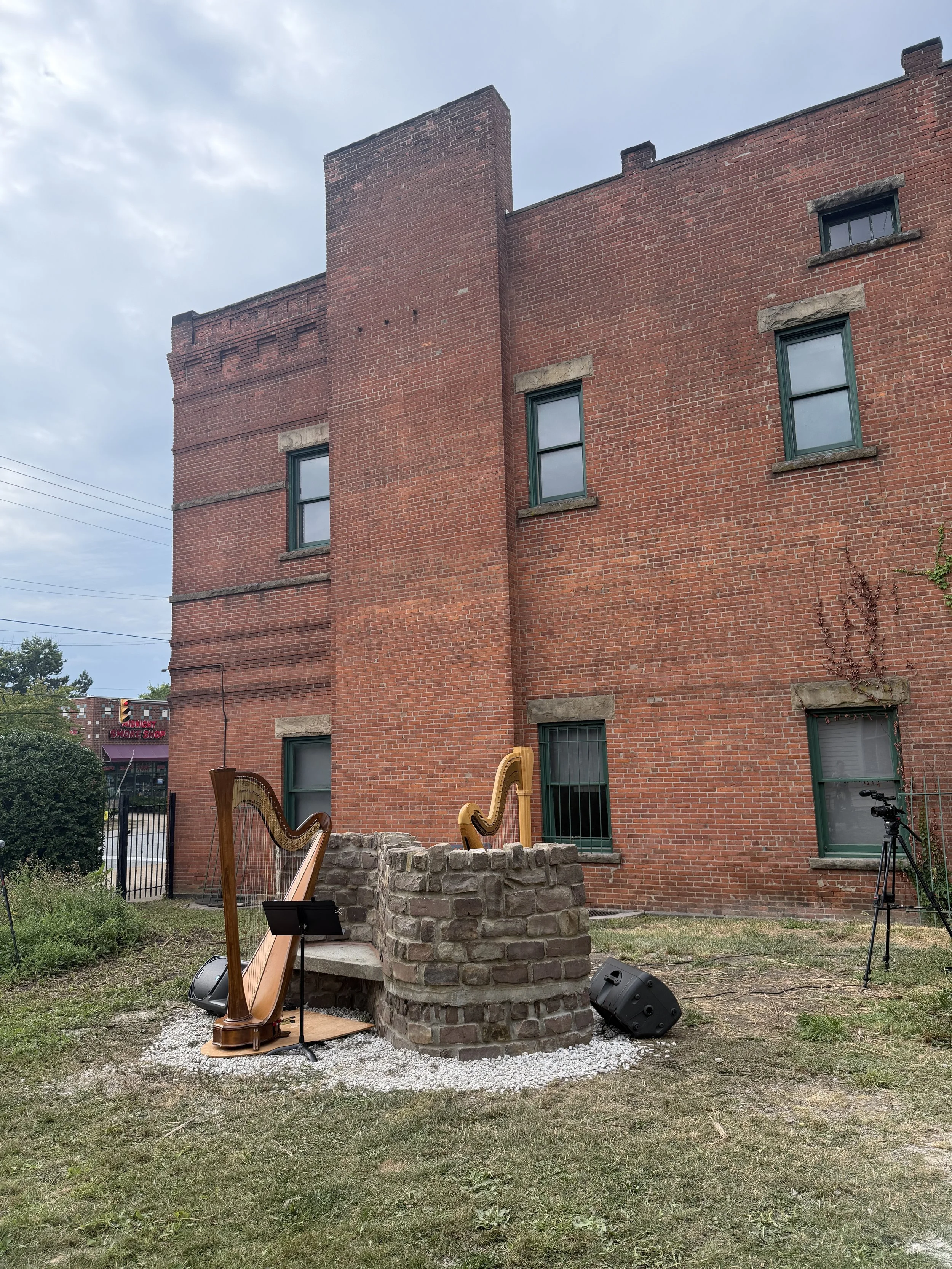
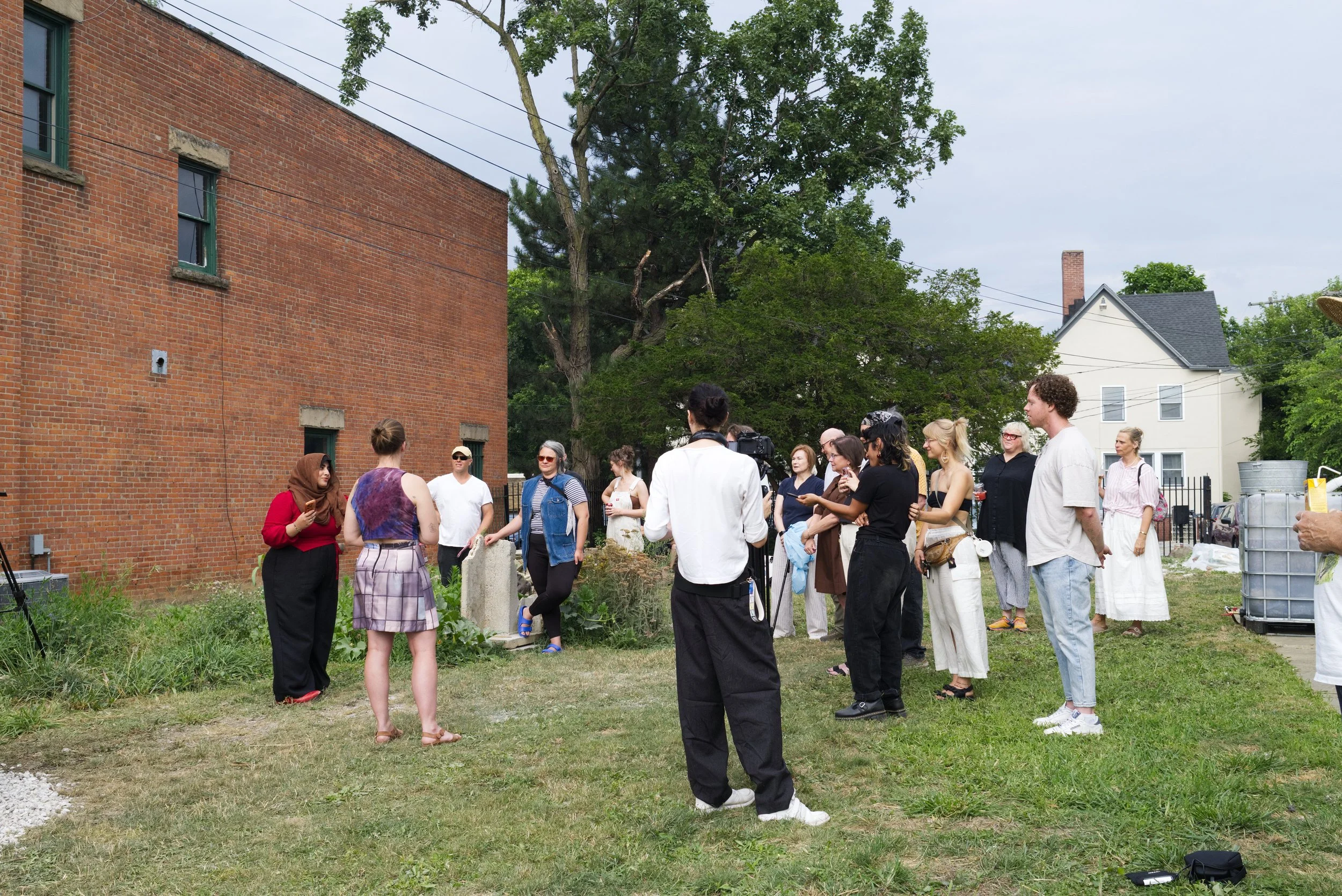
For Zawj | زوج, the artists draw upon the form of the crinkle-crankle wall, a zig-zagging architectural structure with origins in Ancient Egypt. Constructed directly on the grounds of SHED, the work uses materials excavated from the site alongside remnants from the foundation of the building itself, allowing the architecture and history of the property to become material for the work.
The resulting curving wall moved across the site as both sculpture and gathering place. Embedded within the structure are two seats positioned in the manner of a conversation chair—a form of furniture designed to hold two people facing one another while remaining part of a single structure.
Through this pairing, Zawj (Arabic for pair, spouse, or one of two) considers relationships between two people as well as between bodies, materials, architecture, and place. The work asks what it means for two things to remain distinct while simultaneously forming a whole: two seats held by one structure, excavated earth returned as architecture, and a temporary intervention built from the physical history of the place in which it stood.
At its center was the wonder of that not-knowing: what might happen when two people, two materials, or two histories are brought together, and what might be made in the space between them.